Celebrating Women and Girls in Science: Paving the Way for Future Innovators
As the world recognises International Day of Women and Girls in Science, we take a moment to celebrate the remarkable contributions of female scientists and the vital role they play in shaping our future. From groundbreaking research in chemistry to innovative advancements in technology, women in science are not only breaking barriers but also inspiring the next generation of girls to pursue their dreams in STEM fields.
We had the pleasure of catching up with Dr. Sarah Lowe, our R&D team leader, to ask her some insightful questions in honour of International Day of Women and Girls in Science.
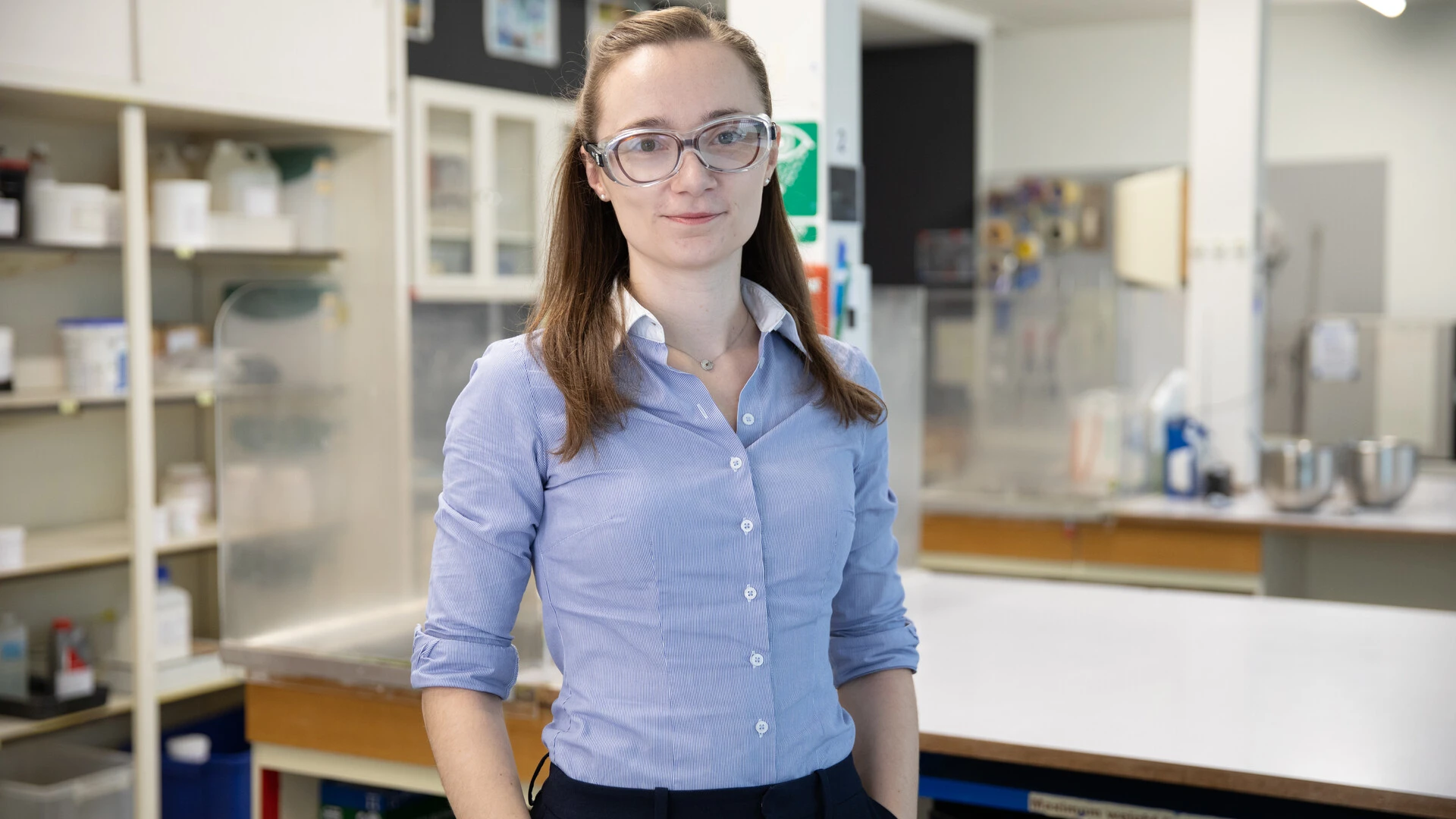
What inspired you to pursue a career in chemistry?
For as long as I can remember, I have loved maths, and was always fascinated by science classes at school. At 14, something just clicked for me when I started studying chemistry as a separate subject, instead of “integrated sciences” up until then. I got on well with my chemistry teacher, Mrs Newman, and my godmother also works in chemistry research, so I’ve always been able to talk to them about their university experiences and careers, which also helped influence my choice.
Can you describe a typical day in your role?
My day typically starts with a 30-minute drive from Bedford through the countryside to get to our head office in Flitwick, which at this time of year with the frosts over the fields at sunrise can be really beautiful. When I first get in around 8:15, I make myself a cup of tea and review my calendar and to do list for the day, before my first meetings. Throughout the day I’ll sit in a mixture of supplier and project update meetings, which helps me keep track of the team’s progress with the various things we’re working on. Outside of meetings, I’ll try to get into the lab for a few hours alongside managing any document writing/review tasks I might have. Twice a week I break up my day by meeting up with some of my colleagues for a 30-minute yoga class during lunch, which is really refreshing and helps me reset before the afternoon. I don’t usually need to stay late, and will typically leave by 5 or soon after.
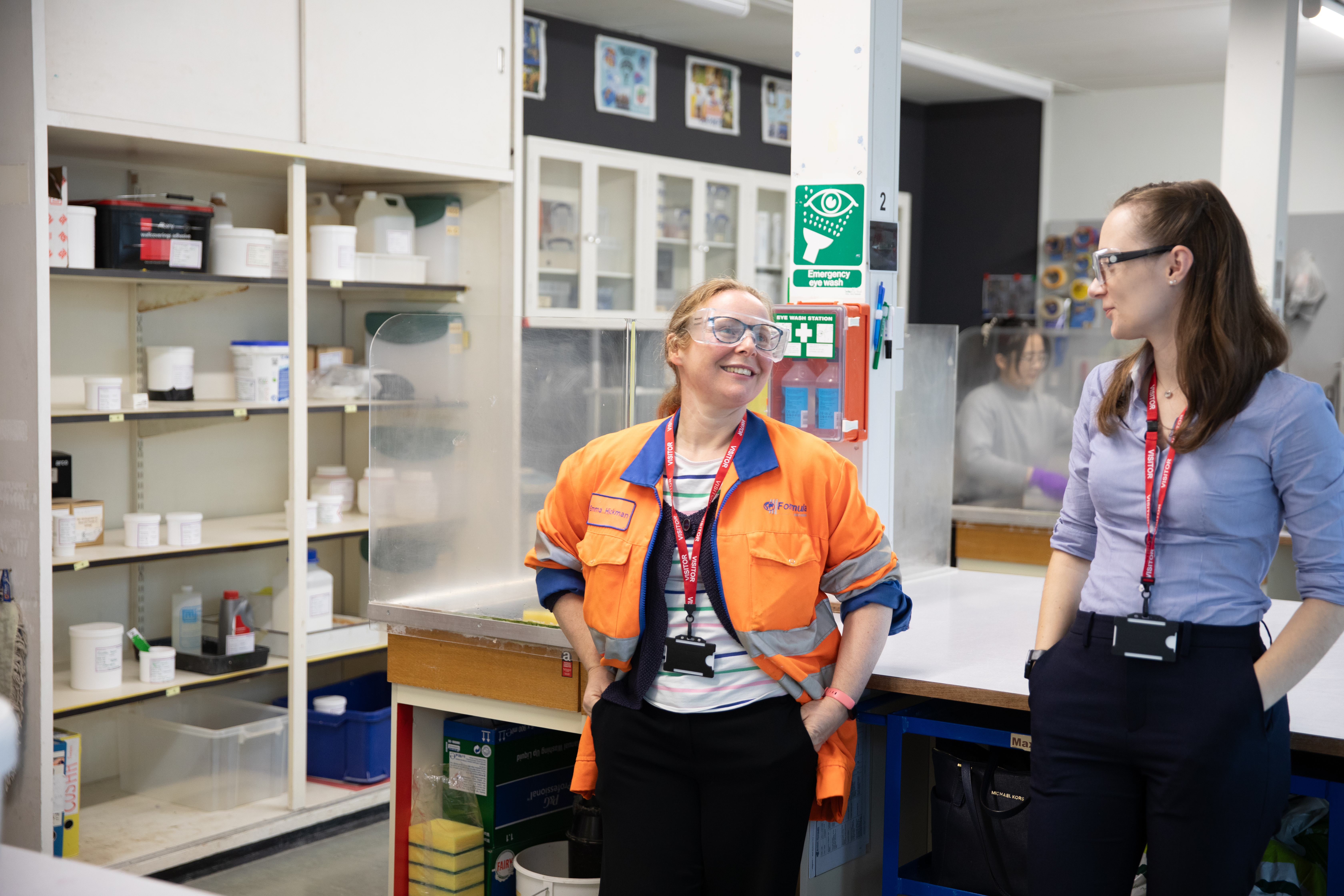
What advice would you give to young girls interested in pursuing a career in science?
Start thinking about your career as early as possible. At outreach events that I’ve done, a common theme I’ve noticed is that young people aren’t always aware what A-levels they need for their chosen career path, e.g. that they need a maths A-level in order to study most science and engineering subjects at university. You narrow down your career options when you choose your A-level subjects, so think carefully about what you want to do, and do your research to work out what you need to do to get there. It can be scary, but it’s for the best if you want to take the short path! 😊
Can you share a memorable project you’ve worked on and its significance?
My master’s project was in plastic electronics, specifically solar cells research. I was testing new materials which had only recently been invented to understand how they absorbed the energy from sunlight and turned that into electricity. It turned out that those materials were pretty good at generating electricity compared to similar materials at the time, and the work ended up being published in Nature Materials, which was really exciting for me to be at the forefront of research like that.
What role do collaboration and teamwork play in your work?
Collaboration and teamwork are hugely important – within our team, we all have our own focuses of course, but when we’re in a pinch-point, or when multiple people’s expertise is required to tackle a problem, everyone is always ready to help each other out to achieve our collective goals – it’s very positive!
If your research could solve one everyday problem, what would it be, and why?
Teleportation – I might enjoy my drive some days, but I think we’d all like the extra time back to enjoy our hobbies or sleep!
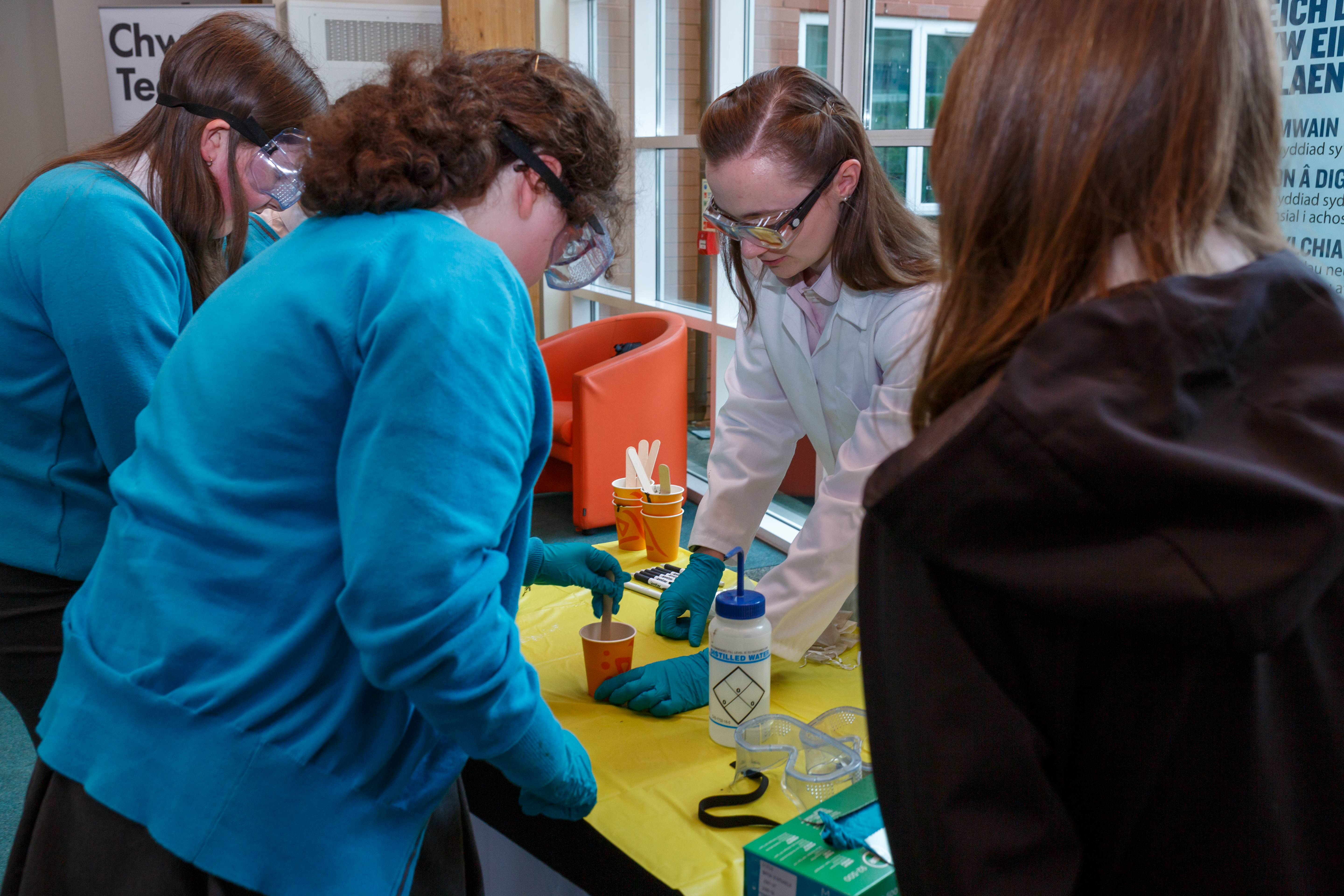
How can organizations better support women and girls in pursuing careers in science?
I think the work starts and should predominantly be focused on schools, as that’s where the first major hurdle is. As I mentioned before, the A-levels you choose shape your career, or at least, how your career starts, and so starting that dialogue early, getting girls currently preparing for their GCSEs who are in the process of picking their A-levels to really think about their hopes for their careers, is where the greatest support is needed. If girls don’t pick maths and science A-levels, then they can’t go on to study a science at university and thus they can’t hope to pursue a career in science, plain and simple.