Peabody & St Mary’s Tower, London
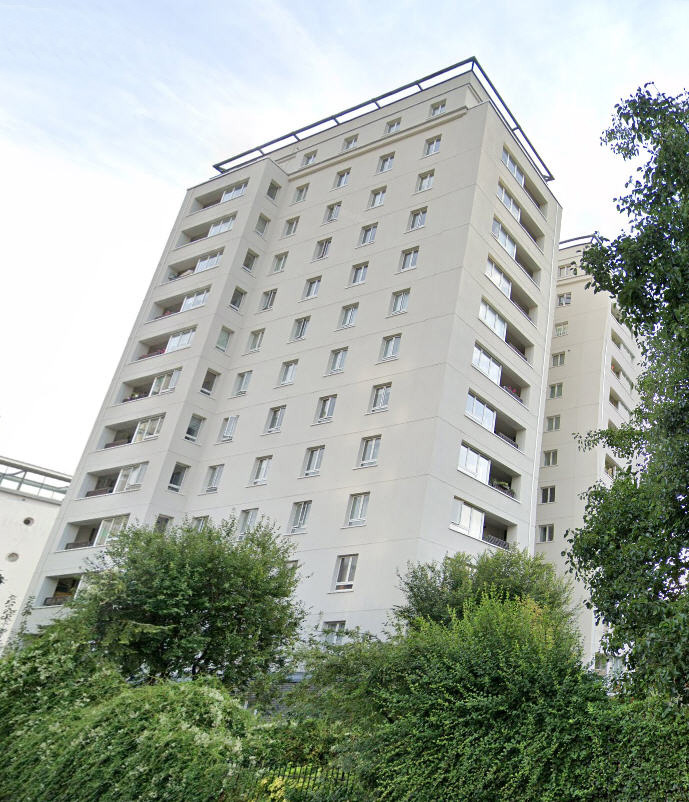
The refurbishment of the Peabody and St Mary’s towers was part of a wider £7.1 million plan of works on the Whitecross Street Estate, totalling 80 weeks and including works to 22 individual blocks of flats and five tower blocks.
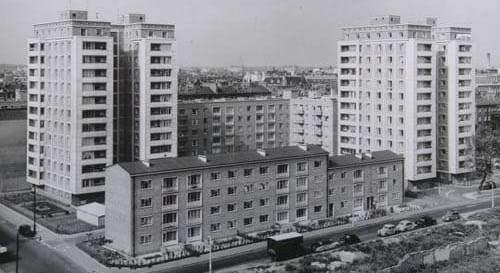
Much of the estate, which is divided by the oldest surviving street market in London and lies within the St Luke’s Conservation area, was built by the housing association Peabody Group in the 1880s. Parts were rebuilt post-war, and some buildings have undergone various refurbishment works overtime. The Peabody and St Mary’s towers – originally built in the 1950s – were identified as having combustible cladding systems.
Kickstarting renovation works
Work began in July 2018, when the Peabody Group contacted PRP Development Consultancy to develop a swift plan of action.
Mike Hawkins, a director of PRP Development Consultancy, said: “The top criteria when looking for a replacement system were fire and system performance.
“Remediation works offer a completely different set of challenges compared to constructing a new building. Sometimes there may be inaccurate records of the building’s original construction or refurbishment works, and very often the project doesn’t follow the standard, linear process for building.
“For both tower blocks, we opened up as many areas as possible to understand how they had been built.”
PRP Development Consultancy worked with VINCI, Aspiration Group – an external wall insulation (EWI) specialist façade company – and Weber from the beginning of the project.
Installing a suitable replacement
The existing façade system was replaced with webertherm XM EWI system, along with some rainscreen cladding – limited to the ground floor entrances.
Not only does installing EWI avoid interference with internal plumbing and electrics, but it also prevents the reduction of space inside the building, improves the walls’ ability to resist changes in temperature, and limits heat loss. This increases indoor thermal comfort while reducing heating costs and CO2 pollution.
When designing an EWI system, condensation needs to be considered. The use of mineral wool insulation makes the wall construction more breathable compared to thermal plastic alternatives including EPS and Phenolic.
All of the above helps to reduce the likelihood of mould and mildew, safeguarding indoor air quality and occupant health.
In December 2018, Aspiration Group began removing the original cladding.
As the building was being stripped, the project team collaborated to identify key areas of design, specification, building safety, and compliance for the new system.
By the time all existing cladding had been taken off, the design and specification was ready, and the new system could be installed straight away. Weber’s EWI and render products have been tested and reviewed to assess fire safety and ensure they meet both British and European standards.
Each variation has been put under detailed scientific scrutiny to understand its suitability based upon performance achieved – not just in isolation but also in multiple combinations and systems most commonly found in the UK.
Managing multiple moving parts
Throughout the project, the whole team met every other week to address any safety, technical, quality and compliance issues. James Chrystal, managing director of Aspiration Group, believes this approach was the reason the project ran so efficiently.
He said: “In a project of this nature and of this scale, there are lots of elements to consider. Remediation schemes were in their infancy and the project team was needed to set new principles and standards on how best to approach the project, ensuring we delivered a safe and compliant building.
“Working backwards from an existing building has several unique challenges – many of which were unknown at that time. Under the leadership of PRP and VINCI and the collaborative project environment, we were able to tackle each one efficiently.
“Key drivers for the project were fire and structural safety of the façade, ensuring its compliance with updated Building Regulations. In order to deliver that on a live and occupied building, we had to carefully consider the residents’ wellbeing, and how the work would impact on the local community.
“Once we’d removed the cladding, it opened up the main superstructure to be reviewed and, together with the collective project team, Aspiration completed surveys with technical support from Weber. These enabled us to produce bespoke details and address any remediation prior to the installation of the new system.”
James continued: “I firmly believe the project was so successful because the building was fully stripped during the PCSA stage of the project. This allowed the project team to fully assess the technicalities of the project and the existing building.
“Designs were completed by the design team to address any structural concerns, maintenance and remediation of the existing superstructure, and the new system, and all interfacing systems were reviewed, designed and specified prior to the new system being installed. This allowed the project team to provide a single coordinated approach to design, programme, cost plan, construction management, quality, compliance, and safety.
“Throughout the project, Weber’s technical and specification team provided us with support in the design and compliance of the system. The application team also supported us with regular visits to provide advice and guidance.”
Ensuring the EWI was efficiently installed
There were regular inspections from the Clerk of Works and Islington Borough Council’s Building Control department.
Aspiration Group recorded each stage of the build by elevation, uploaded photographs and the compliance inspections to hand over to Peabody once the works were complete.
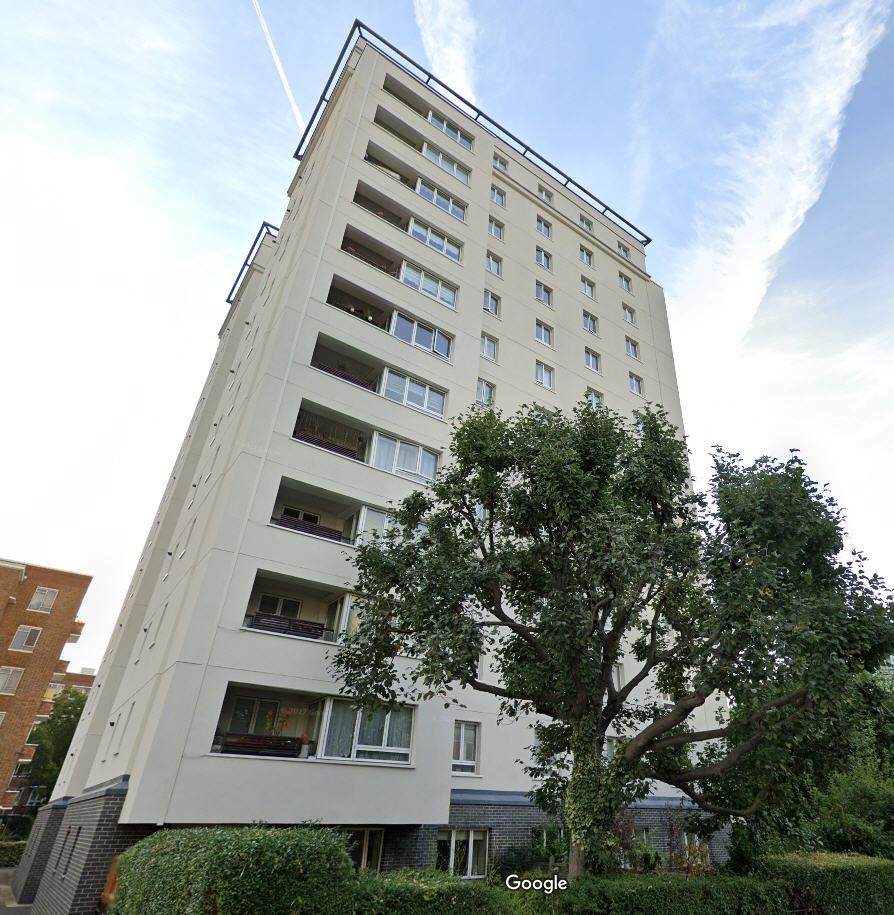
The webertherm XM system used 180mm of mineral fibre insulation to help improve the thermal efficiency of the building, reducing heating costs for tenants and the overall carbon emissions of the building.
The BBA-approved system was finished with a light textured thin coat render in the colour Silver Pearl.
The bulk of the refurbishment and the EWI was completed by the end of 2019. After the webertherm XM system was installed, the building achieved a target U-value of 0.18w/m2K.