Choosing the right flooring for your home can be a daunting task with so many options available on the market today. Among the most popular choices are laminate flooring and luxury vinyl tile (LVT), both of which offer unique benefits and aesthetics. However, one aspect that often gets overlooked in the flooring selection process is the importance of a level substrate. In this blog, we’ll compare laminate flooring and LVT and look at the significance of a properly levelled surface for optimal performance.
Laminate flooring
Laminate flooring is a multi-layer synthetic product that simulates the appearance of wood, stone, or other natural materials. It consists of a core layer made from high-density fiberboard, a photographic layer that provides the design, and a transparent wear layer that protects against scratches and stains.
Advantages of laminate flooring
Affordability
Laminate flooring is generally less expensive than many other flooring options, making it an attractive choice for budget-conscious homeowners.
Durability
The wear layer of laminate flooring provides excellent resistance to scratches, dents, and moisture, making it suitable for high-traffic areas.
Easy installation
Many laminate products feature a click-lock installation system, which allows for a DIY approach without the need for glue or nails.
Variety of styles
With an extensive range of designs and finishes, laminate can mimic the look of hardwood, stone, or tile, providing versatility for any interior decor.
Luxury Vinyl Tile (LVT)
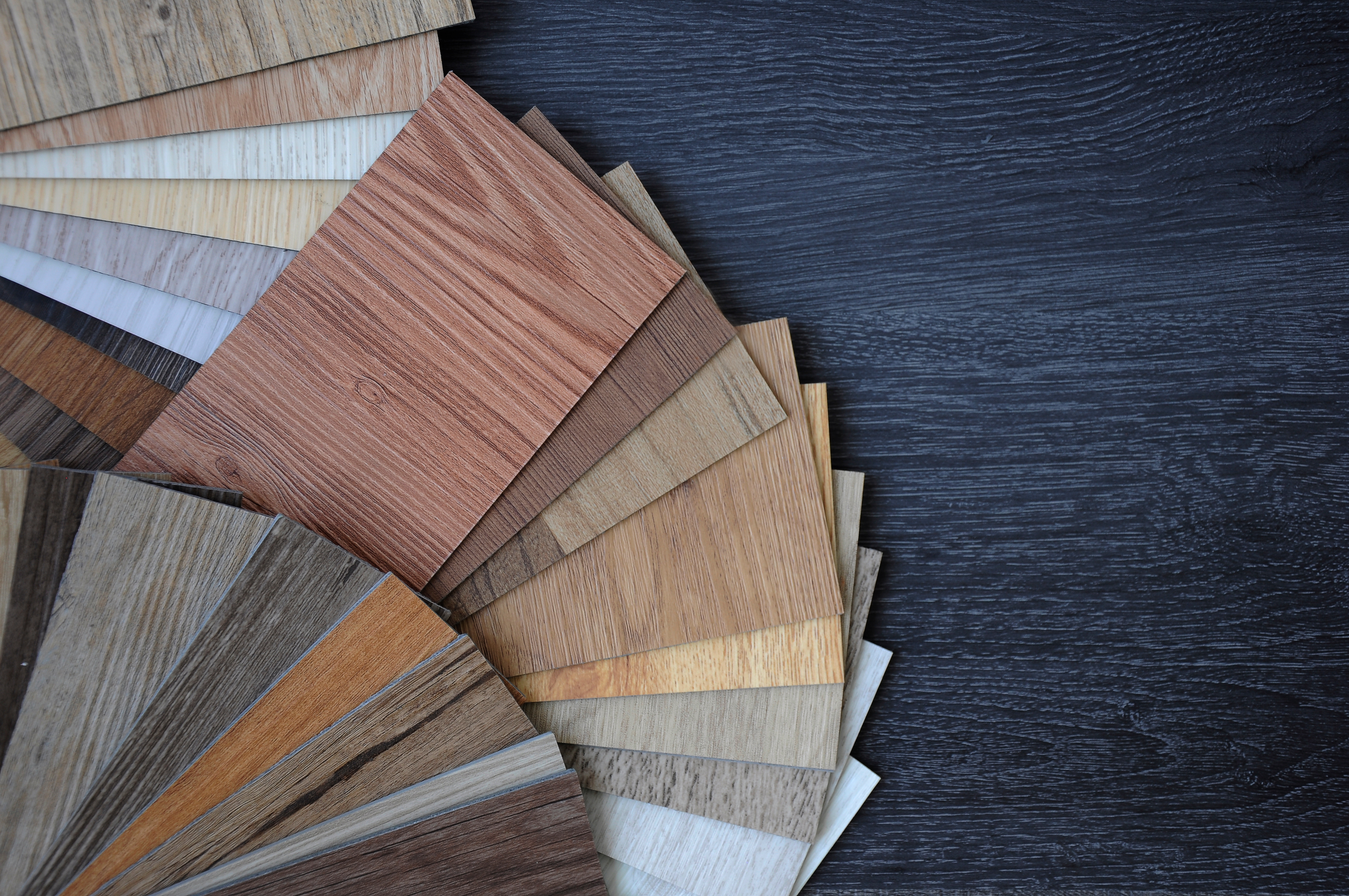
LVT is a resilient flooring product composed primarily of vinyl and designed to replicate natural materials such as wood and stone. It comes in either tiles or planks and is available in a multitude of colors, textures, and styles.
Advantages of LVT
Water resistance
LVT is inherently water-resistant, making it an ideal choice for kitchens, bathrooms, and basements where moisture is a concern.
Comfort and warmth
Unlike laminate, LVT provides a softer, warmer feel underfoot, making it more comfortable for prolonged standing.
Sound absorption
LVT has superior sound-absorbing properties compared to laminate, reducing noise levels in busy households.
Versatility in installation
LVT can be installed using various methods, including glue-down, click-lock, or loose-lay, allowing flexibility based on your needs.
The importance of levelling
When it comes to flooring installation, the condition of the subfloor is critical for achieving the best results. Regardless of whether you choose laminate or LVT, a level substrate is essential for several reasons:
Preventing damage
Uneven subfloors can lead to excessive wear and tear on your flooring. For laminate, gaps can form between the planks, while LVT might warp or buckle if not installed over a smooth surface.
Ensuring aesthetic appeal
A level base ensures that your flooring looks uniform and polished. Any dips or bumps can result in unsightly gaps or uneven surfaces that detract from the overall appearance.
Maintaining warranty coverage
Many flooring manufacturers require that their products be installed over a level substrate to maintain warranty coverage. Installing on an uneven surface could void your warranty.
Ease of installation
Levelling the subfloor simplifies the installation process, reducing the time and effort needed to achieve a flawless finish.
Making your choice
Both laminate flooring and LVT have their merits, and the choice ultimately depends on your specific needs, preferences, and budget. If you’re looking for a budget-friendly option that offers a variety of styles and durability, laminate may be the way to go. However, if you need a water-resistant, comfortable, and sound-absorbing floor, LVT could be the better fit.
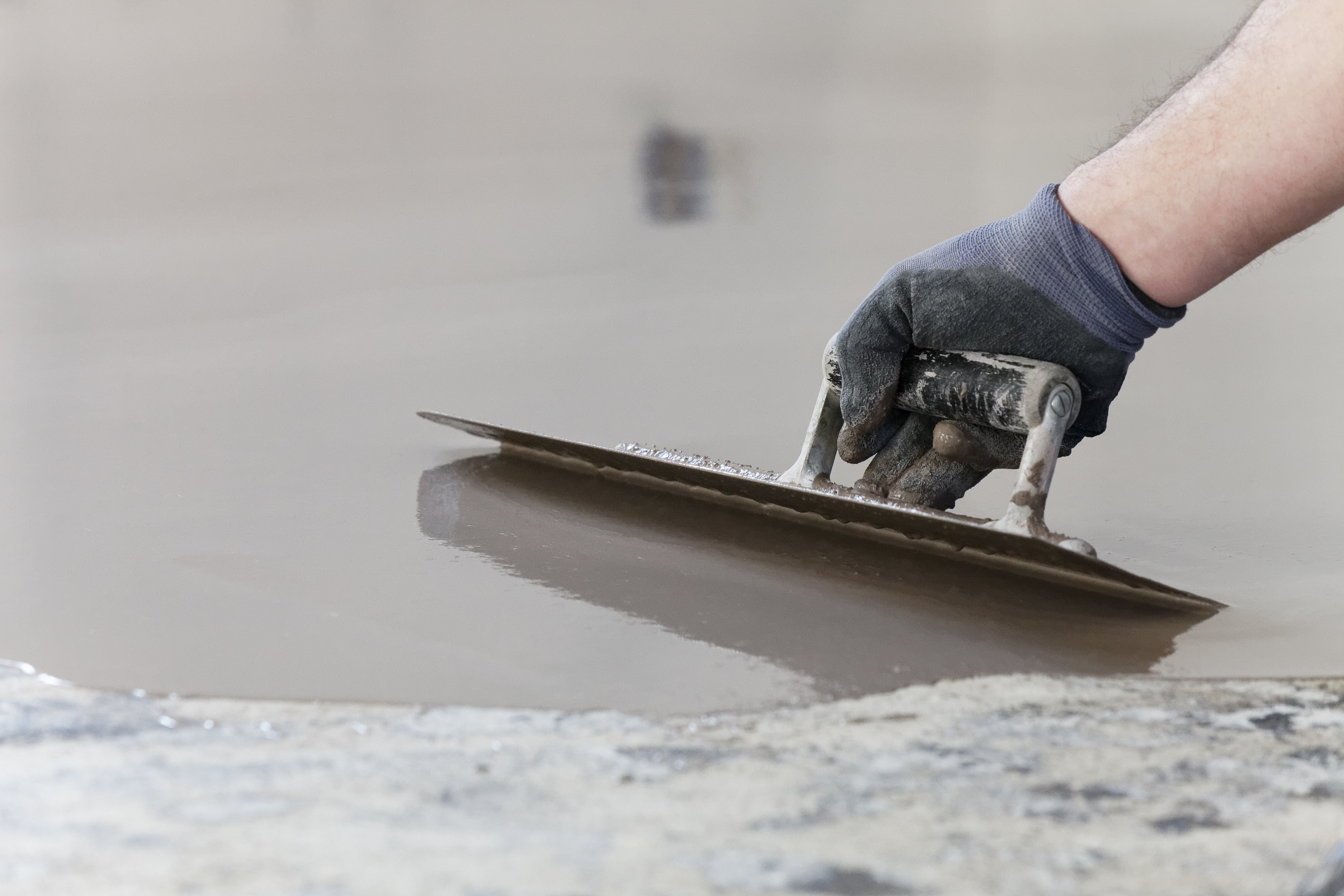
No matter which option you choose, remember that the key to a successful flooring installation lies in proper preparation. Take the time to ensure that your subfloor is level; this will not only enhance the longevity of your flooring but also improve the overall aesthetic and functionality of your space. Have a look at our easy-to-use levelling compounds that will help make your new flooring look fantastic!
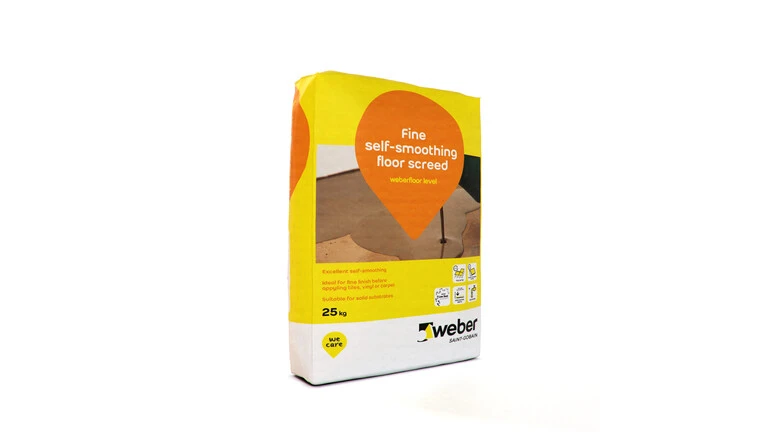
Create an ultra smooth finish with weberfloor level. Perfect for covering with carpet, vinyl, lino or parquet flooring This quick drying screed can take light foot traffic or be tiled onto with ceramic or porcelain after 2-4hrs.
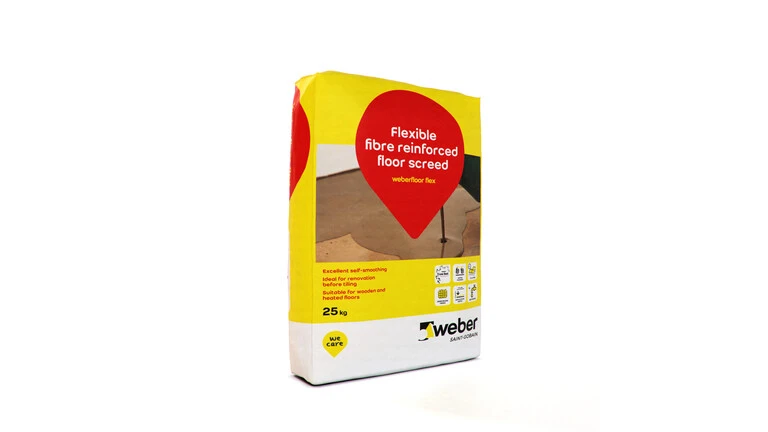
weberfloor flex is an easy screed for applying onto floor substrates subject to some movement, such as wood or underfloor heating. A quick drying screed that can take light foot traffic or be tiled onto with ceramic or porcelain after 1-2hrs.