Whether you're a seasoned DIYer or just dipping your toes into home improvement, understanding how to use tile grout is an essential skill. Grout not only enhances the appearance of your tiled surfaces but also serves a critical function in keeping moisture at bay and ensuring the longevity of your tiles. In this blog post, we'll walk you through the basics of tile grout, how to choose the right type for your project, and step-by-step instructions for application.
What is tile grout?
Tile grout is a thick paste used to fill the spaces between tiles to provide a moisture barrier. Properly applied tile grout helps to prevent water from seeping underneath your tiles, which can lead to mould and mildew. It comes in various types, but the main options when you hit your DIY store will be:
Ready-mixed - Smootherin texture, suitable for smaller joints (less than 10mm), ideal for splashbacks or smaller areas as ready-mixed grout dries quickly on the tile surface, so can be tricky to use. Only small areas should be grouted before cleaning
Powder (cement-based) - suitable for narrow (1mm) or wide joints (up to 20mm). It can be used on walls and floors and is available as a rapid or slow set. Ideal for large areas, high polymer-modified versions are suitable for heavy traffic or water exposure
Epoxy grout – this is often used by professional tilers in commercial kitchens or healthcare scenarios where high levels of hygiene are required, or in areas that require a high level of chemical resistance such as swimming pools
Choosing the right grout
When selecting grout, consider the following:
Type of tile: Some tiles, like natural stone, may require a specific type of grout
Joint width: Measure the space between your tiles to determine whether you need a standard or a wide joint grout
Use: What is the use of the tiled area? Is it a wet room with high levels of water exposure or a splash back in your kitchen that is likely to just need wiping down with household cleaning products?
Tools and materials required:
Before you start, gather the following tools and materials:
Grout
Grout float
Sponge
Mixing bucket
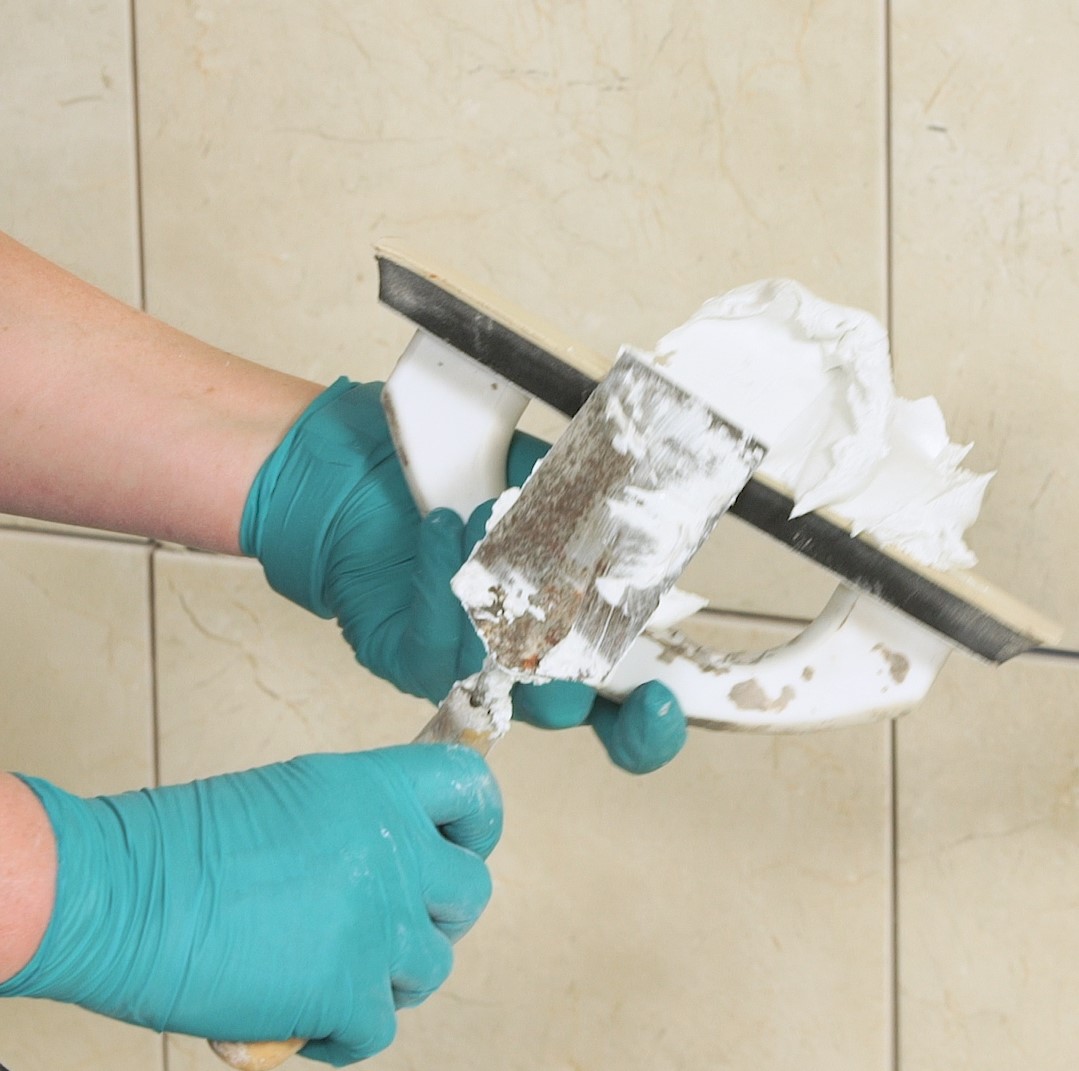
Gauging trowel to mix the grout
Drill and whisk attachment (optional)
Grout finishing tool (optional)
Clean water
Safety glasses and gloves
Step-by-step guide to applying powdered (cement based) tile grout
Step 1: Prepare the area
Remove any tile spacers, leaving consistent gaps between the tiles
Clean the surface of the tiles with a damp sponge to remove any dirt or dust
Ensure the grout joints are clear of any excess adhesive or debris
Step 2: Mix the grout
Mix the grout in a bucket, combine the grout powder with water according to the manufacturer's instructions to ensure a proper water-to-grout ratio
Add the recommended amount of water to your mixing bucket first, then gradually add the grout powder
Mix (with trowel or drill with whisk attachment) until you achieve a smooth, thick consistency
Step 3: Apply the grout
Only begin the grouting once the tile adhesive has fully dried, refer to the manufacturer's technical data sheet for details
Begin at one corner of the tiled area and work your way across
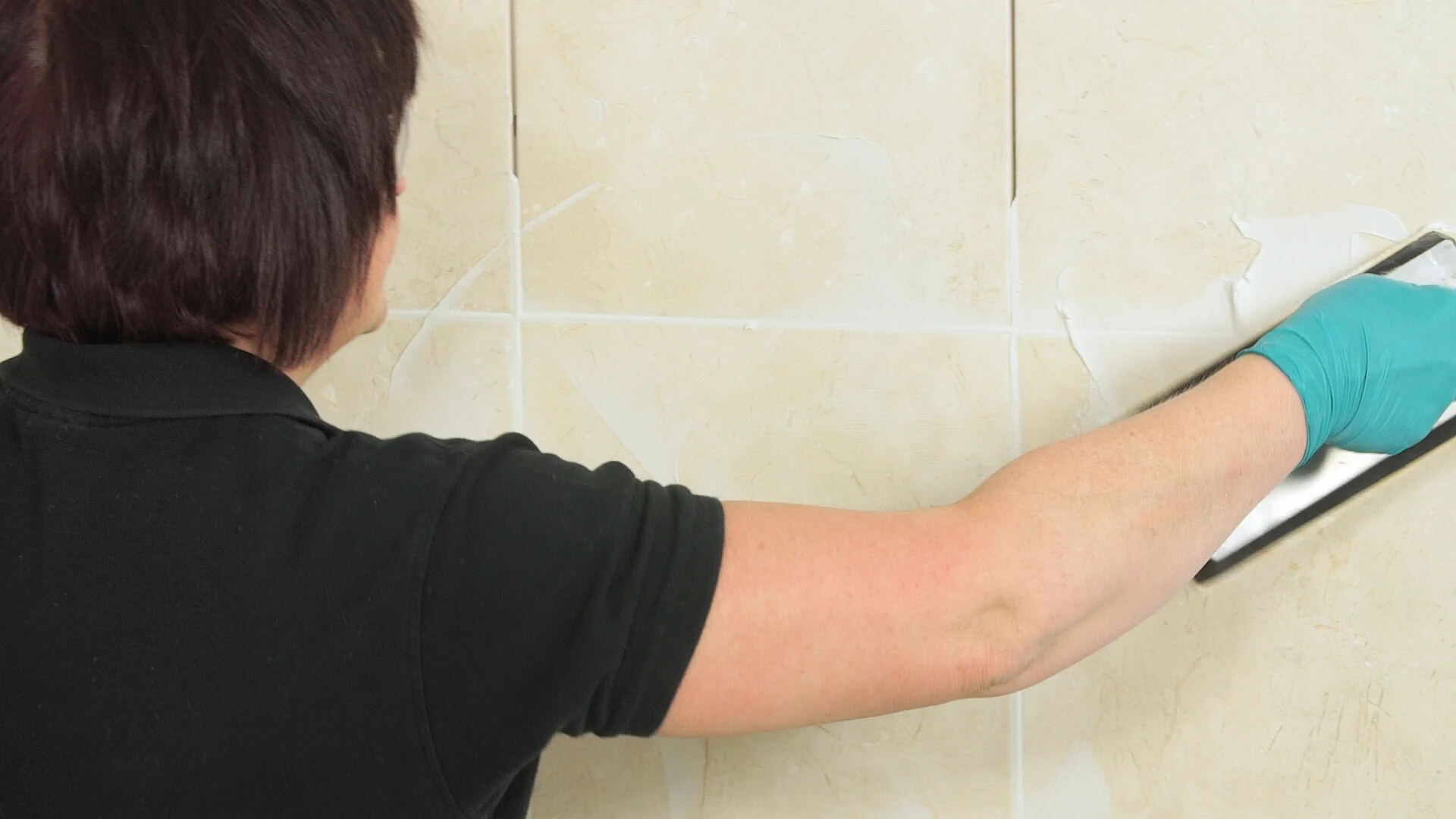
Load the grout float with your gauging trowel. Hold the float at a 45-degree angle to the tiles and press the grout into the joints, working diagonally across the tiles to avoid pulling the grout out of the joints
The goal is to press the grout into the joints, make sure to apply enough pressure to completely fill the grout joints
Step 4: Remove excess grout
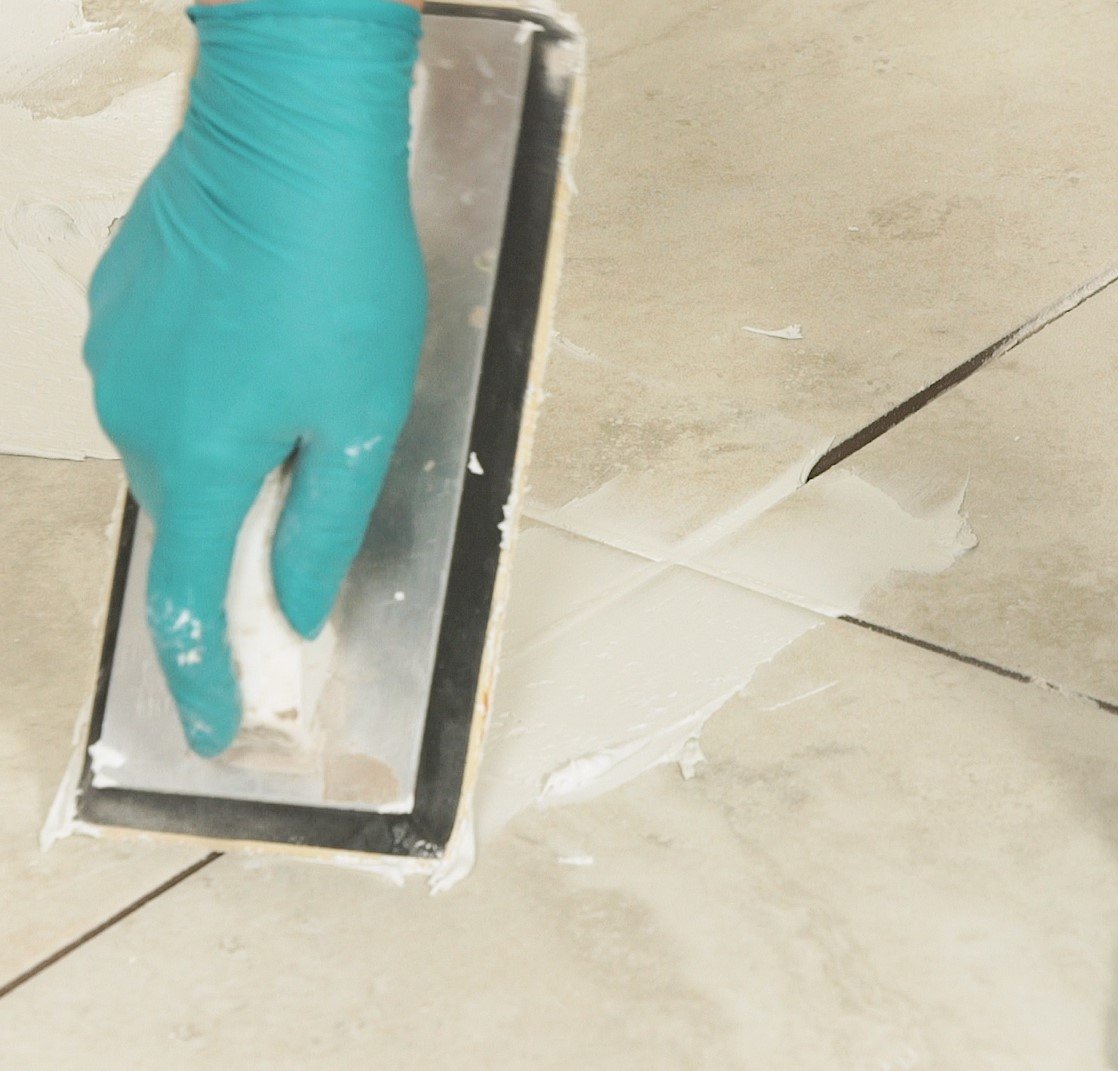
Smoothing the surface - once the joints are filled, use the edge of the grout float to scrape off excess grout from the tile surface. Hold the float at a -45 degree angle to the tile and gently drag it across the surface
Work diagonally across the tiles to avoid pulling grout out of the joints
Step 5: Clean the tiles
Once you’ve removed the excess grout, you’ll notice a film of grout residue on the surface of the tiles
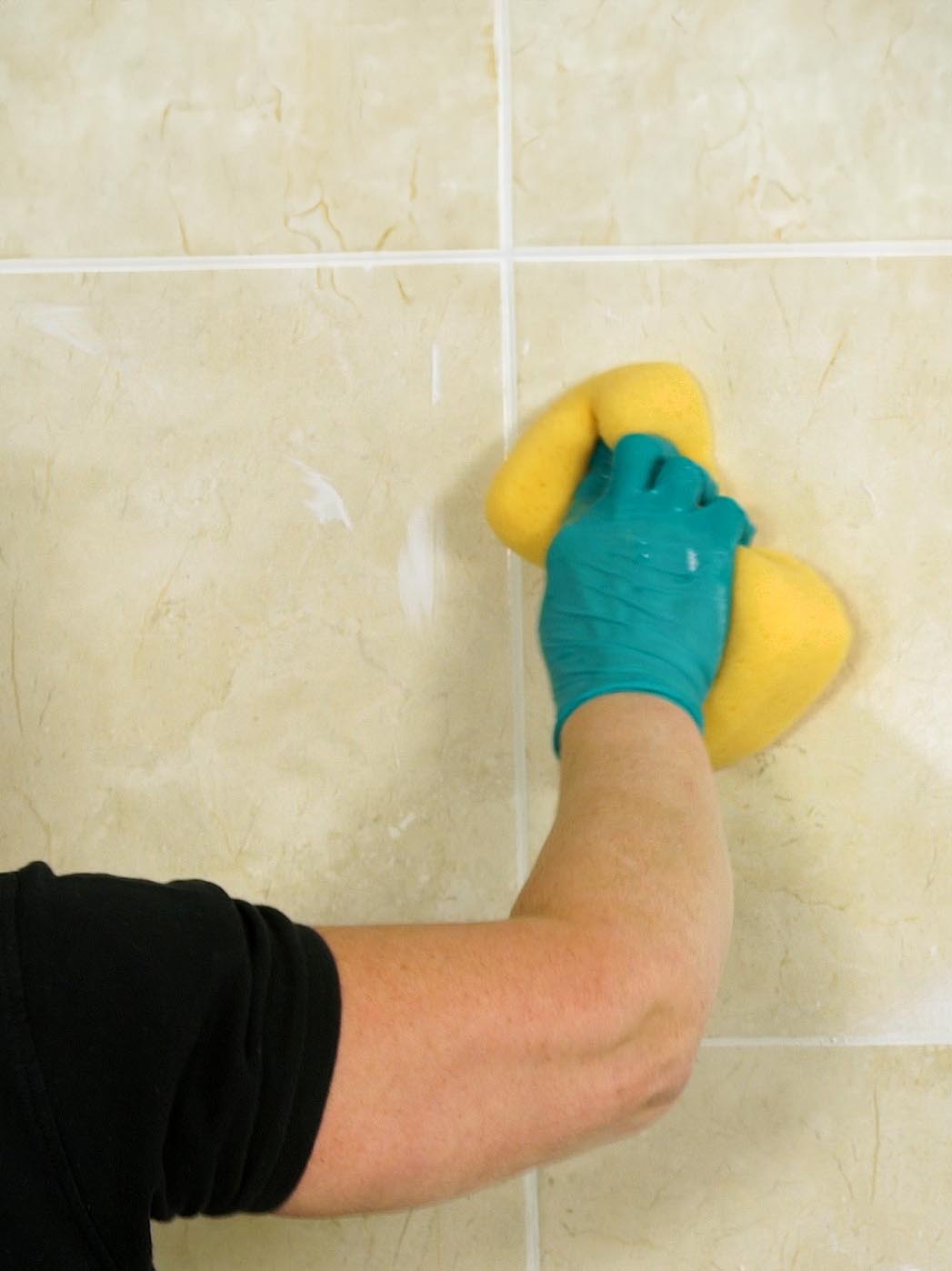
Wait for 15-30 minutes for the grout to start setting (refer to manufacturer's packaging for exact timing), then use a damp sponge to gently wipe the tiles
Be sure to rinse the sponge frequently to avoid smearing grout onto the tiles, and be careful to wring out the sponge as much as possible to avoid using excess water, the use of excess water can lead to colour inconsistency
Clean the grout joints carefully, as excess grout can lead to staining on the tiles or uneven lines
Step 6: Smooth the grout joints
After cleaning off the excess grout, check the joints for any imperfections. Use your sponge or a grout finishing tool to smooth out any uneven areas.
If necessary, you can go over the grout joints with a damp sponge in a circular motion to achieve a more uniform finish
Step 7: Allow to cure
Allow the grout to cure according to the manufacturer's instructions (this usually takes about 24 hours) before walking on it or exposing it to moisture. Drying times may vary depending on the temperature and the humidity levels in your room. Refer to the manufacturer's packaging for full drying times before commissioning underfloor heating, or using a shower etc.
When dry, use a soft cloth to buff off any remaining residue of grout from the tile
Tips for success
Work in small sections: Grout can dry fast if it’s warm, so it’s best to work in manageable sections to avoid it hardening too quickly and make clean-up easier
Don’t rush: Take your time to ensure the grout is applied evenly and smoothly
Don’t over-wet your sponge: Use a sponge that’s just damp enough to remove excess grout without making the grout joints too wet. Over-wetting can cause grout to weaken or shrink as it dries
Do not rewet your grout: If you're working in stages or taking breaks, and your grout starts to dry, it can become difficult to work with, DO NOT add any additional water to the mix. Work with smaller batches to ensure the grout remains usable
Practice safety: Wear gloves and safety glasses
Happy tiling!
Using tile grout may seem daunting, but with the right preparation and techniques, you can achieve professional-looking results in your DIY projects. Whether you're re-grouting an old bathroom or laying new tiles in your kitchen, following these steps will help you master the art of grout application. So roll up your sleeves and get started on your next home improvement adventure!
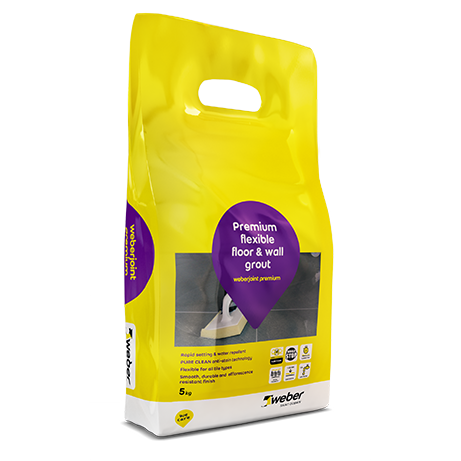
Why not try weberjoint premium grout, our flexible wall & floor tile grout which is scratch-resistant, water-repellent and contains PURE CLEAN anti-stain technology.
Rapid setting
Joint widths from 1 to 20mm
Mould-resistant for lasting protection from mould growth