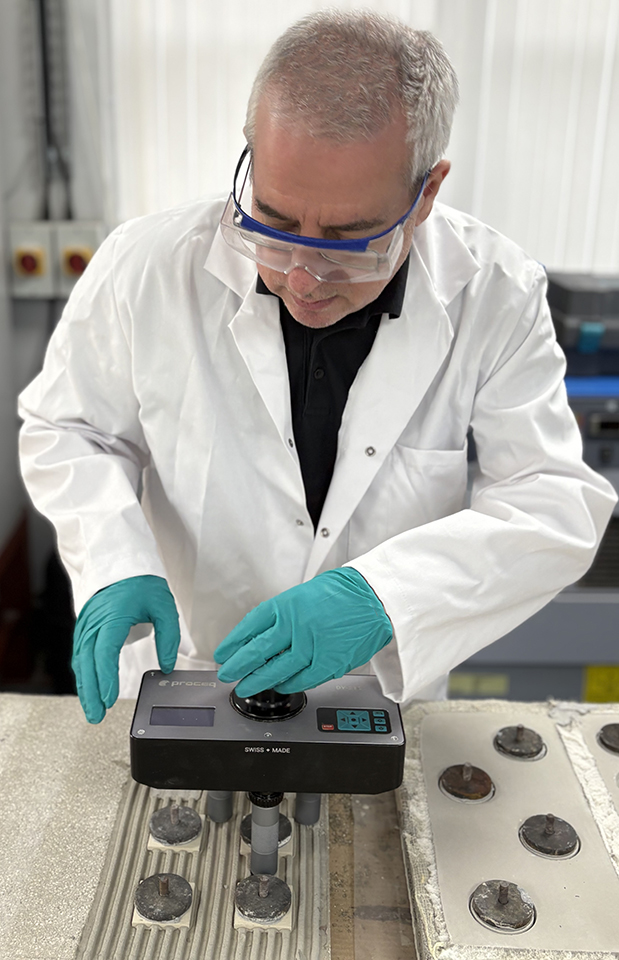
Dr. Mortar: The chemistry behind sustainable mortars - part II
At Saint-Gobain Weber, we are committed to developing innovative building materials that don’t just perform exceptionally, but also contribute to a more sustainable future for the world we live in.
In our Dr. Mortar blog series, we take a look behind the scenes with our chemists, innovators, and research and development leaders at how we are progressing construction products that combine performance with sustainability.
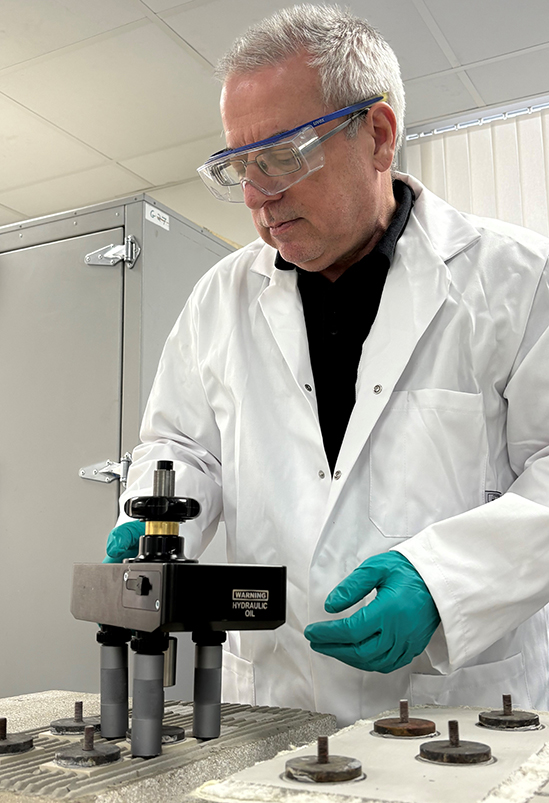
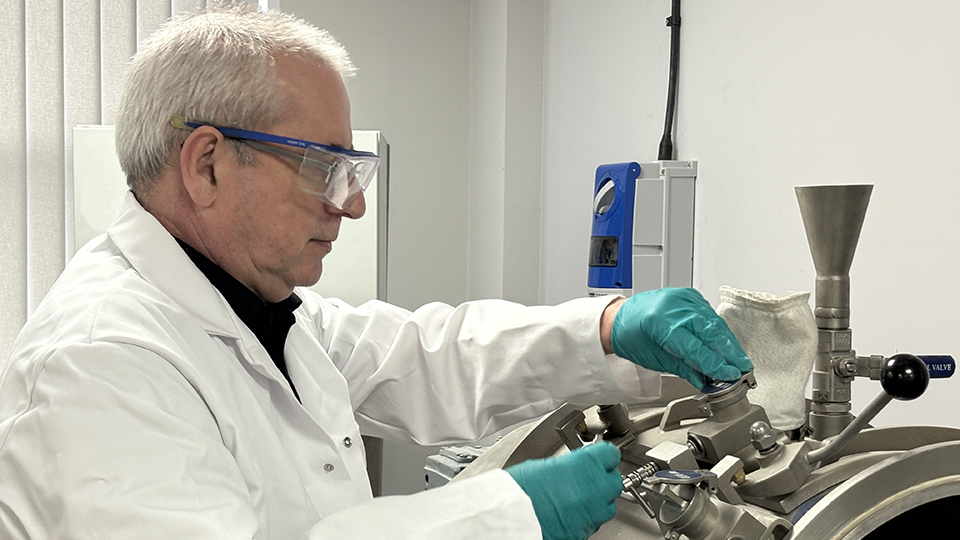
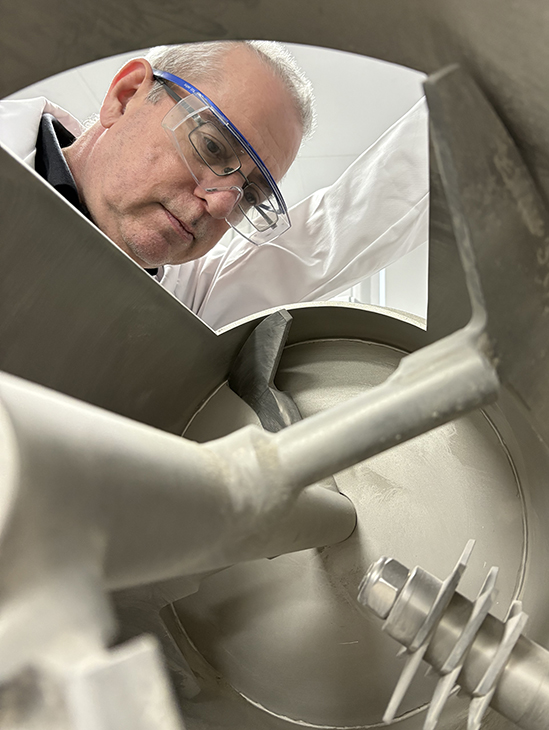
For part three, we share insights from Steve Bowker – one of our dedicated development chemists - about the chemistry and challenges around developing sustainable mortars, the evolution of cement replacement, and how Weber is taking responsibility for the environment by innovating more sustainable building products.
A shift in thinking: Sustainability at Weber
Steve has worked at Weber for more than 20 years, starting in the quality control team before moving into research and development looking after a portfolio of tiling and flooring products.
He has seen the company transform from a close-knit operation to a key part of Saint-Gobain’s global sustainability strategy. This shift has brought new challenges but also opportunities to collaborate on innovative, sustainable materials.
As Steveexplains, sustainability is an ever-evolving goal: “We are heading towards reducing the impact of our products on the environment. That means not just looking at cement replacements, but also materials like sand, which is a finite resource in many parts of the world.”
"At Weber, sustainability isn’t an afterthought but an integral part of how we innovate"
Innovation in cement replacement
One of the biggest challenges in making traditional building materials more sustainable arrives from reducing cement usage.
Cement production is extremely energy-intensive but, historically, cement manufacturers have been slow to change. Government legislation is now pushing the industry towards more environmentally friendly alternatives.
Cement replacement technology, such as ground granulated blast-furnace slag (GGBS), has been a gamechanger. However, as Steve points out, this once-abundant byproduct is becoming scarce as steel production methods evolve: “GGBS used to be plentiful because no one wanted it,” he said. “But nowadays, as more and more steelworks close down, it’s much harder to source.”
Alternative materials are being explored, but finding consistently high-quality recycled materials is a challenge.
“We must continually research and test new supplementary cementitious materials (SCMs) that provide the same structural and performance benefits without the environmental cost,” says Steve.
Challenges of sustainable innovation
Developing more sustainable products isn’t as simple as swapping out ingredients from the formulation. As Steve notes, even small changes to cement composition can significantly affect a product’s performance, particularly for fast-setting applications.
“Not all materials behave the same way, and integrating new SCMs requires rigorous testing to ensure they do not negatively impact product performance,” says Steve.
Then there’s the challenge of cost and adoption. Many end users, from housebuilders to tilers, still do not truly appreciate the value of sustainability, while some stick with what they know.
Steve highlights this ongoing struggle: “When we launched weberset rapid plus ECO tile adhesive back in 2012, people weren’t looking for a sustainable solution. But this is slowly changing as regulations and market pressures push sustainability to the forefront.”
A hidden sustainability win
One of the most surprising sustainability success stories for us is weberjoint premium grout – a flexible wall and floor tile grout with recycled content.
Interestingly, this wasn’t the primary goal when the grout was first developed. As Steve recalls, “When we formulated it in 2016, the recycled content wasn’t even classified as recycled. It was only later that we realised we were onto something sustainable.”
This product is a great example of how sustainability is sometimes achieved by accident, but also how our team continuously refines our products to align with environmental goals.
The future of sustainable mortars
Weber’s sustainability roadmap doesn’t stop here. The goal is to achieve a future where high-carbon raw materials are replaced with recycled or alternative low-carbon materials.
There is already significant progress in various research areas. This includes using crushed concrete to create reactive cement replacements and low-carbon binders that reduce reliance on traditional cement.
These innovations require time and investment, but we are committed to driving change within the industry.
Leading the charge to net zero
Weber’s sustainability strategy isn’t just about meeting industry trends – it’s about actively shaping them.
With products like weberjoint premium grout and ongoing developments in cement replacement, we are steadily working towards Saint-Gobain’s Net Zero 2050 goal, with intermediate targets for 2030.
As Steve concludes: “The ultimate vision is clear: reduce our impact on the natural world and prevent CO2 emissions. We need to move towards a truly circular economy where we reuse and repurpose materials as much as possible.”
At Weber, we’re not just making sustainable mortars, we’re building the future.
Look out for more from our Dr. Mortar series as we continue to showcase our expertise...
To read the previous blogs in the Dr. Mortar series click here