When it comes to floor renovation, one of the common challenges faced by contractors and DIY enthusiasts is dealing with problem areas, particularly those with bitumen or bitumen residue.
Understanding bitumen
Bitumen is often used in older flooring systems due to its waterproofing and adhesive properties. However, as buildings age, this material can become a significant hurdle during renovation projects. Bitumen can be challenging to work with and may impact the integrity and finish of new flooring. Thus, best practice recommends the complete removal of any bitumen before proceeding with screeding, though there are times where this may not be feasible.
Potential issues and solutions
While screeding over bitumen residues is possible, it’s crucial to be aware of potential issues that may arise:
Adhesion problems: If the bitumen residue is not properly prepared or a compatible screed is not used, adhesion issues can occur, leading to blistering, delamination or cracking.
Solution: Ensure thorough surface preparation, including removing as much bitumen as possible, cleaning, and roughening the bitumen surface. Use a suitable primer to enhance adhesion.
Asbestos concerns: If the bitumen is old, it may contain asbestos, which poses significant health risks.
Solution: Always take proper health and safety precautions when working with potentially hazardous materials. If you suspect asbestos, consult a professional for safe removal.
Problem solving
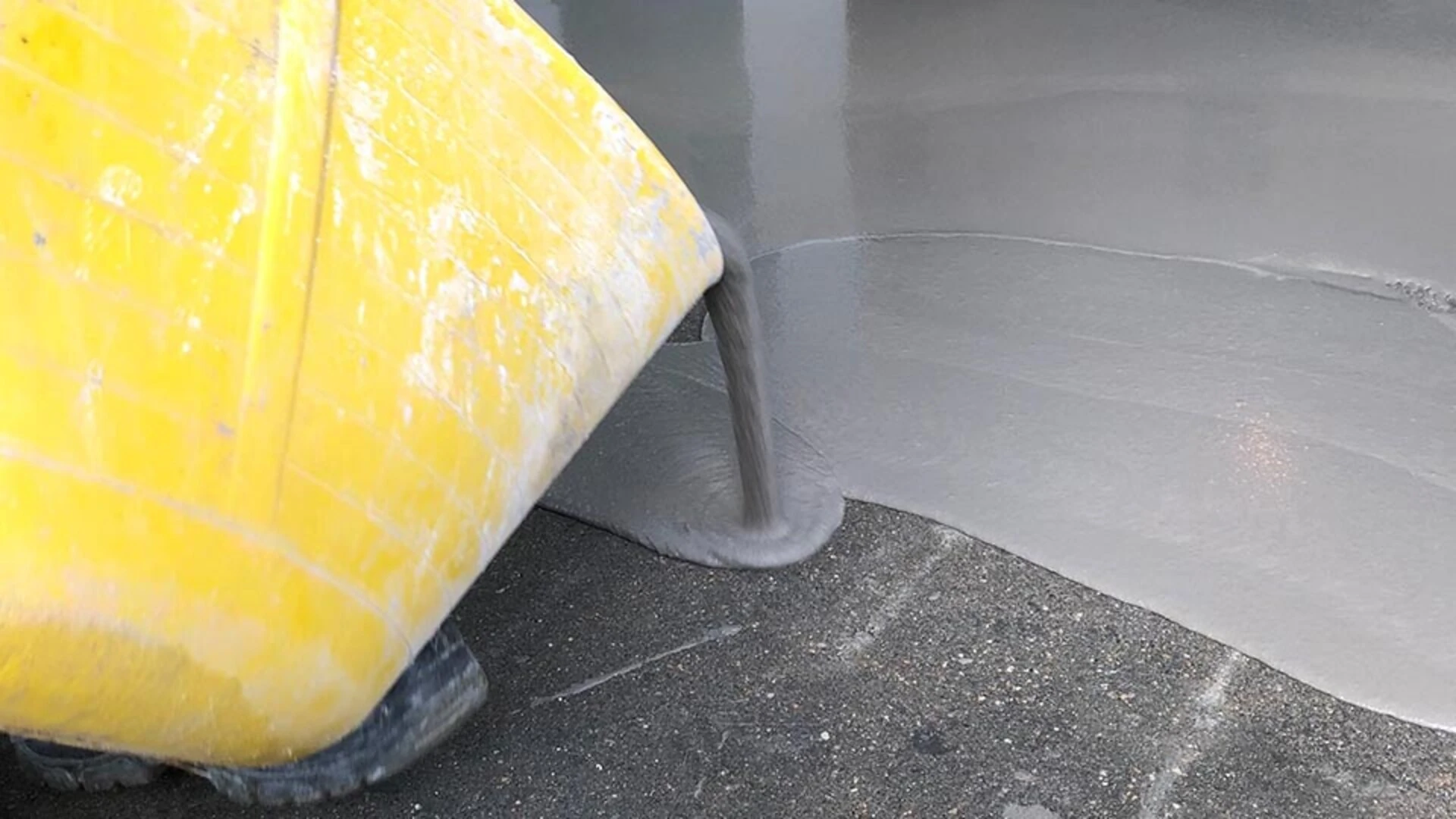
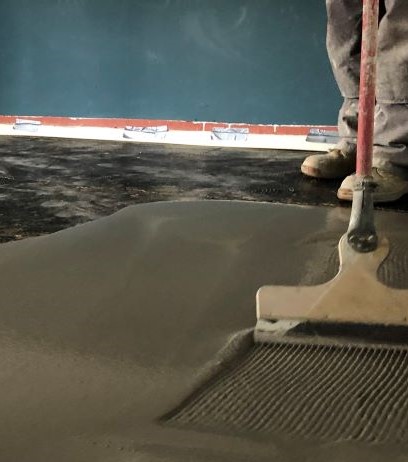
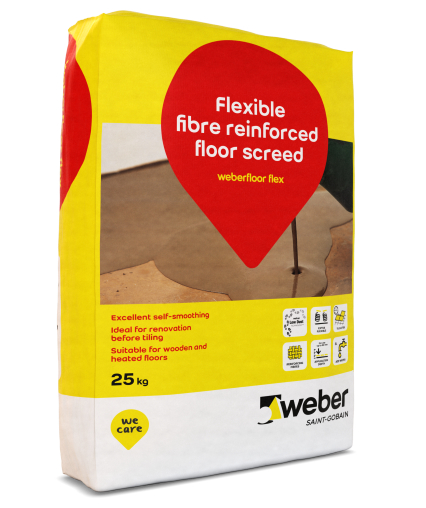
weberfloor flex is a self-smoothing floor levelling compound designed for use on various substrates, including those with some movement, such as underfloor heating or wooden flooring.
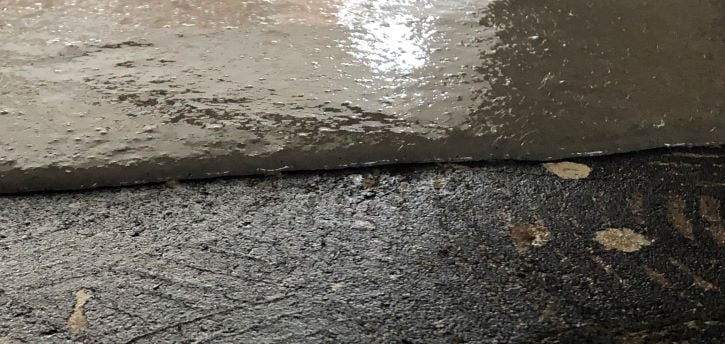
weberfloor flex has successfully shown to be suitable when applied to bitumen residue. Before applying weberfloor flex, ensure that the bitumen residue is old, well established, and clean. Priming with weber PR360 at 4:1 primer/water is essential before application. A minimum depth of 10mm of weberfloor flex is recommended.
About weberfloor flex
Self-smoothing: It flows easily, allowing for a smooth surface that minimizes the need for additional finishing work
Versatile application: Suitable for a range of substrates, including cement, concrete slabs, underfloor heating, wooden floors, existing ceramic tiles, and bitumen residue
Depth range: It can be applied in thicknesses ranging from 5mm to 50mm, making it adaptable for various project needs
Quick drying: It can take light foot traffic or be tiled after 1-2hrs
Low Dust Technology™: The formulation significantly reduces airborne dust created during the pouring and mixing processes
By understanding the capabilities of weberfloor flex and addressing potential issues upfront, you can tackle even the most challenging flooring problems with confidence.