Modern rendered garden wall and planter tips
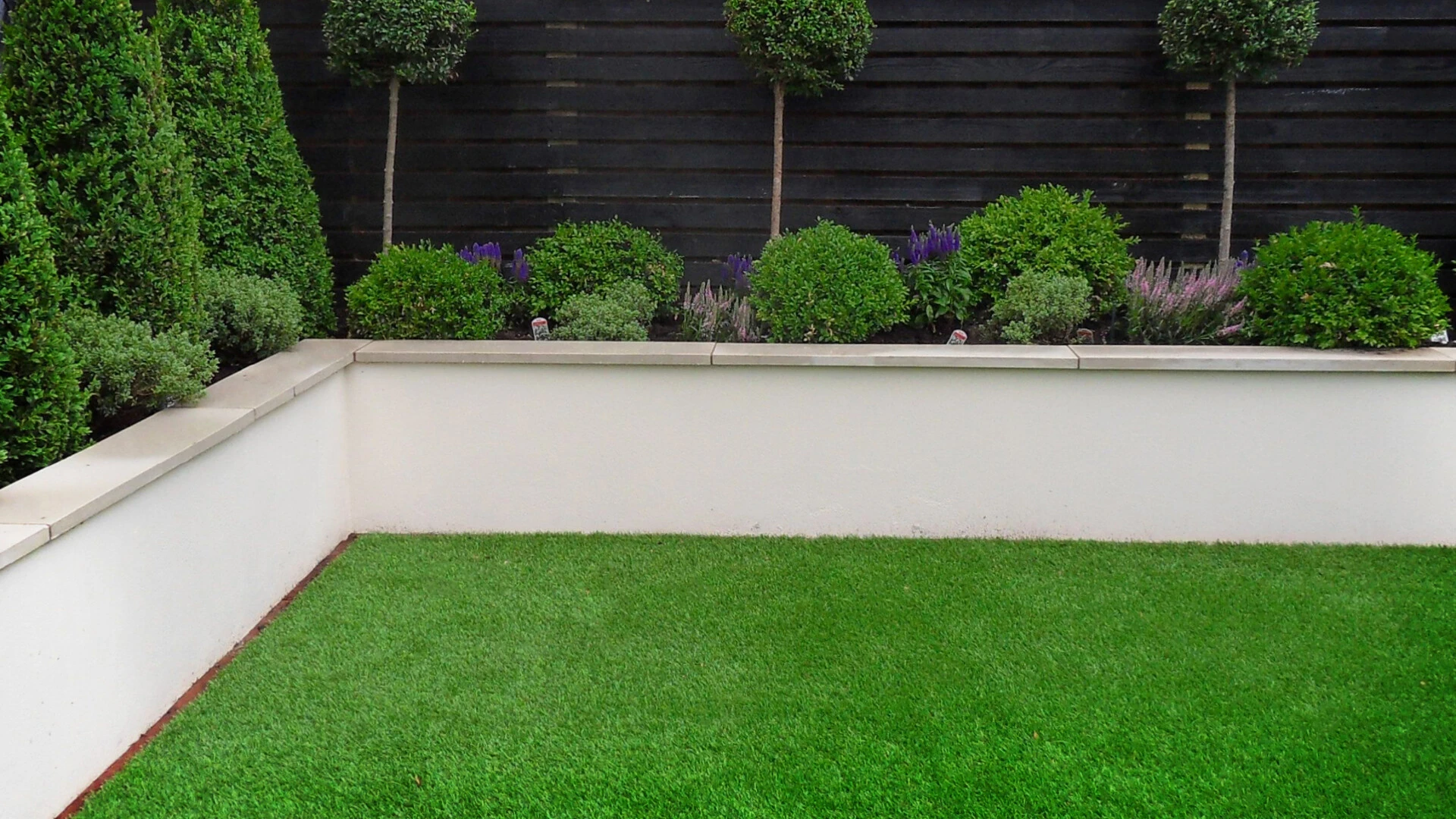
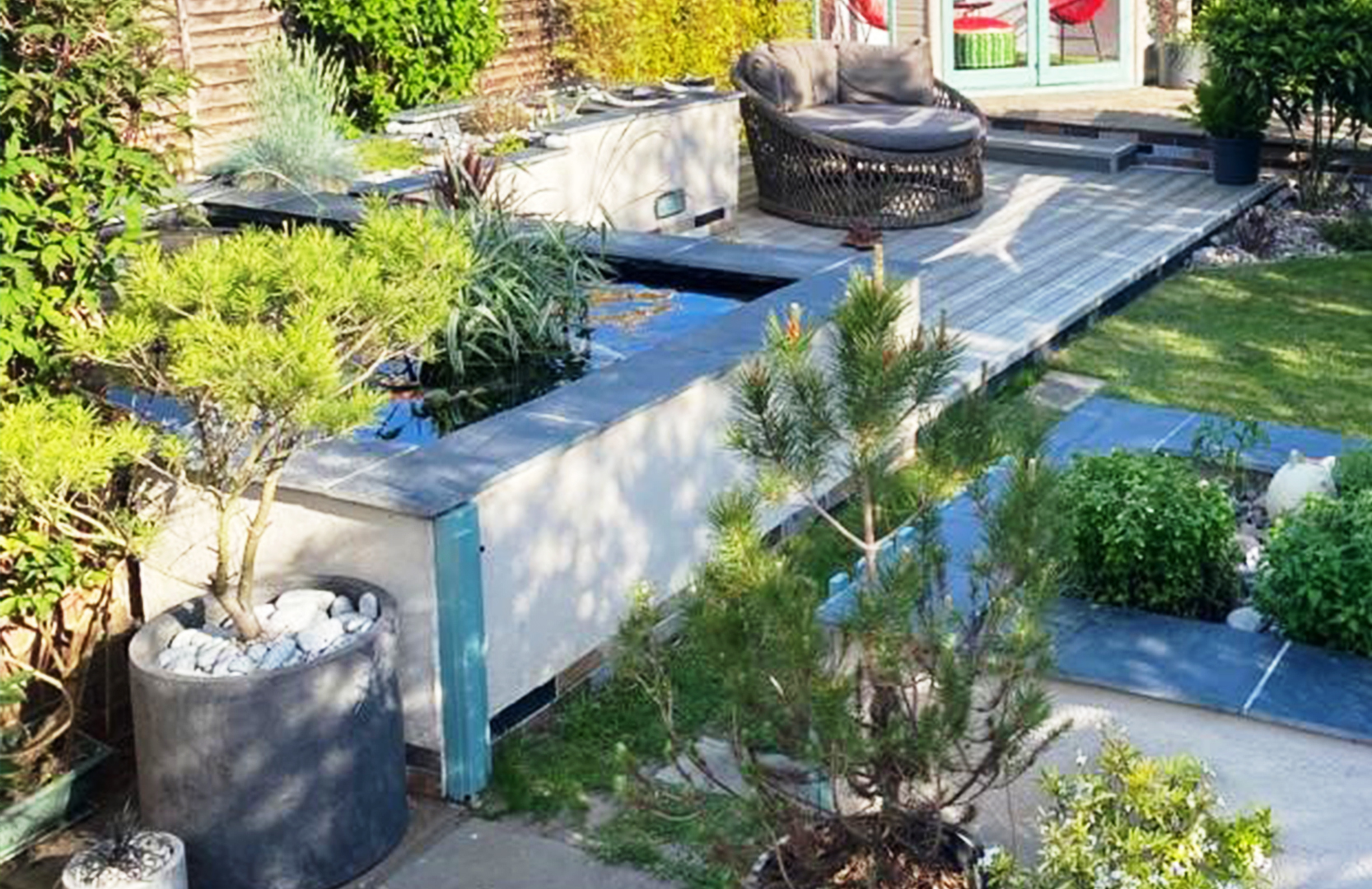
The design stage
To achieve the best results for your rendered garden feature we recommend during the design phase that a damp-proof course is built in to your wall or planter at a low level. Once your wall has been built, it should be left for a minimum of 28 days to fully cure.

The technical bits...
Depending on the density of the block used to construct the walling or planter, consideration should be given to the suction and key provided by the substrate. We recommend that if the block is between 1350-1450kg/m3 of density and a strength of 3.6 – 7.2N, the substrate should be suitable to receive a direct application of render. If the criteria of the substrate falls out side of these parameters weberend aid may be required.
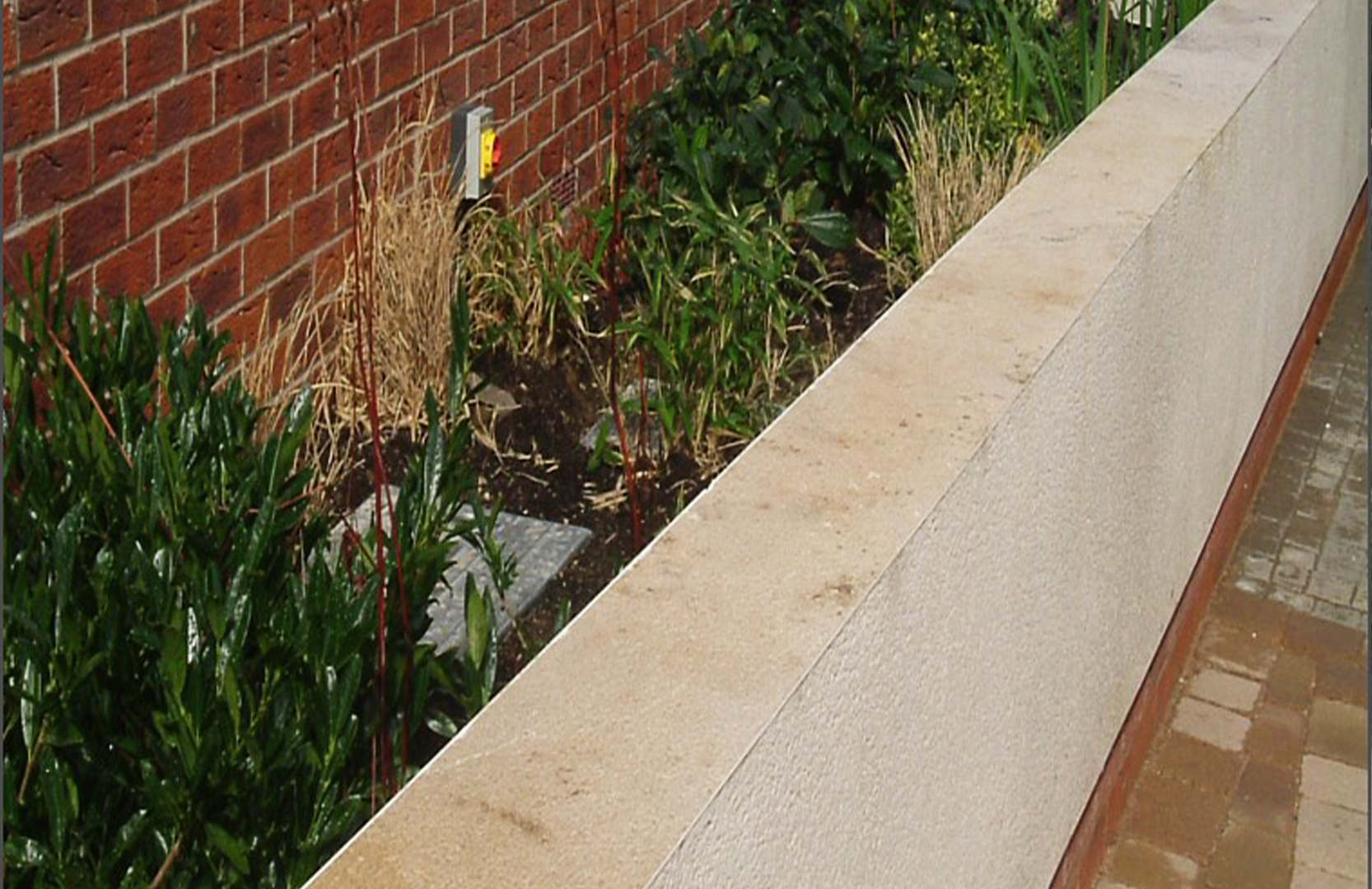
Avoid staining
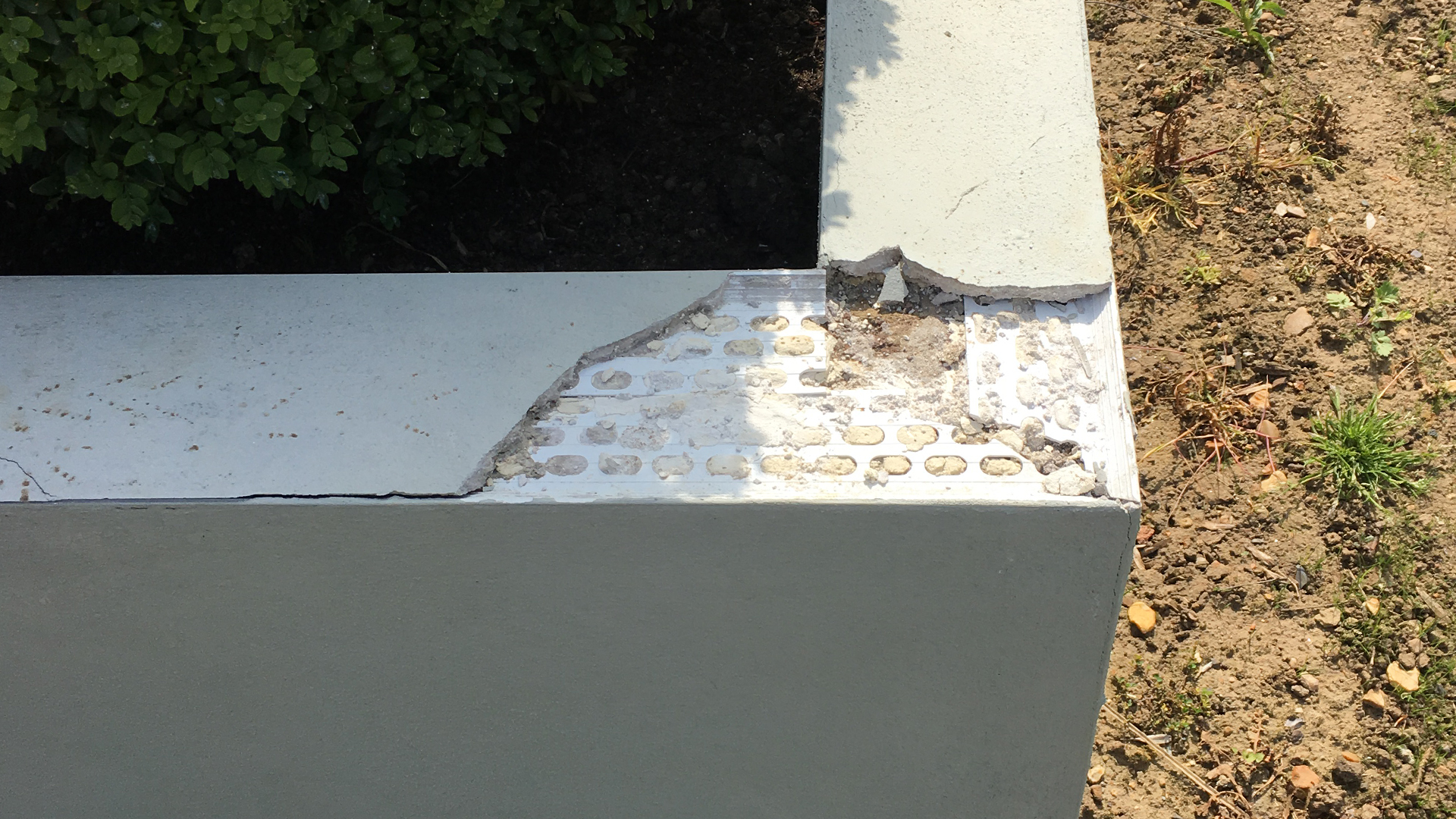
Render should ideally only be used on the vertical plane of your wall or planter. Whilst it looks aesthetically pleasing to have the tops of the walls rendered, this will eventually lead to staining from fungal activity.
Waterproofing
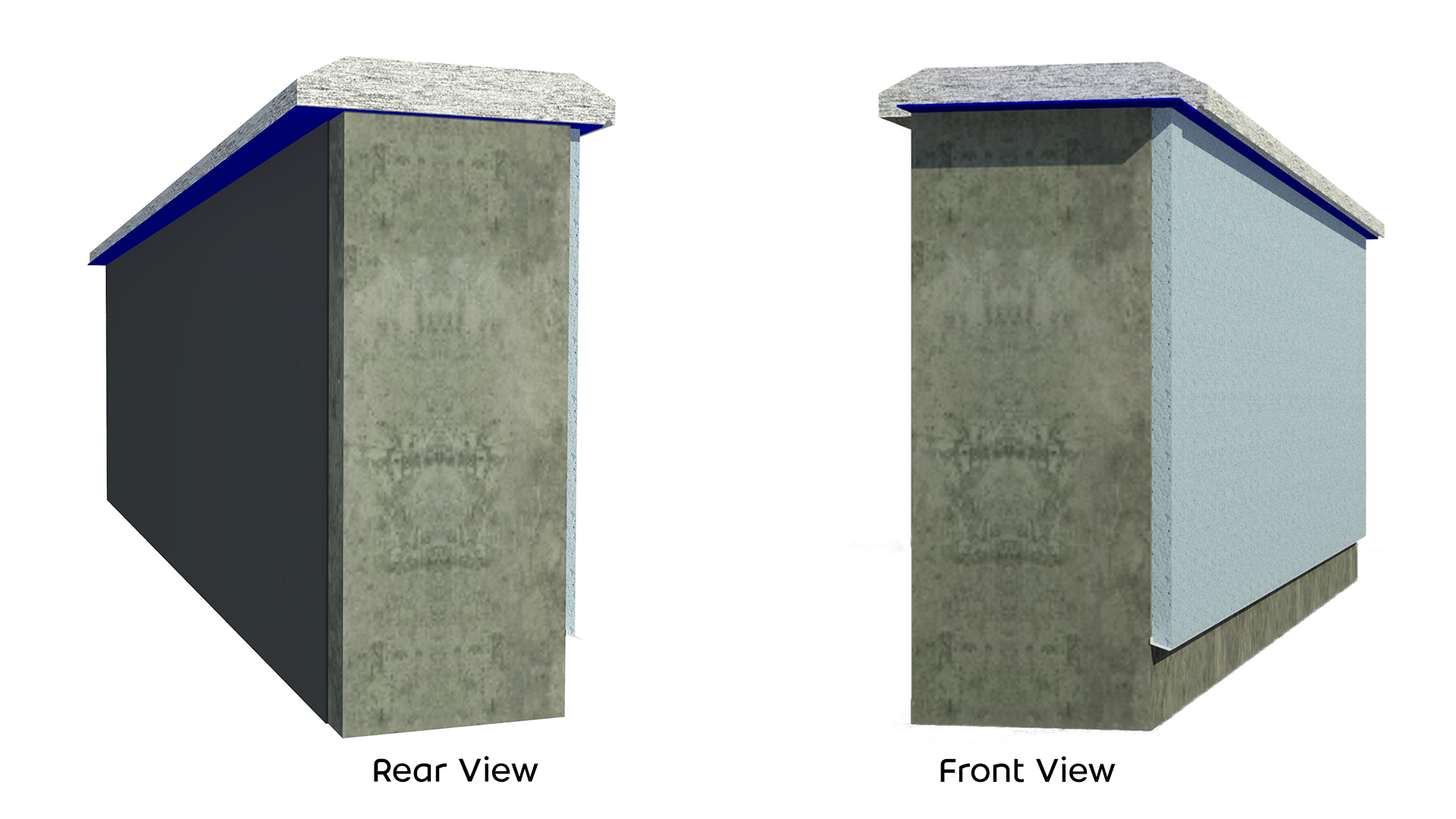
To top off your wall or planter, we recommend a suitable coping stone with a damp-proof course underneath. The top surface of the stone should slope downwards extending past the line of the wall and render by 50mm to prevent water flowing through the structure with a throat or drip on the underside preventing rainfall from penetrating the wall.
Existing structures
Existing garden walls and planters were probably not built with render in mind and therefore it’s unusual that these structures have been built with an existing damp proof course.
Look for efflorescence salts on the substrate, as this will indicate the structure is saturated. Before proceeding this will need fully removing. Drilling some drainage holes at a low level will allow water to escape and will minimise the water gradually filtering through the render.
Prevent cracking
We recommend that the render stops at 150mm above the ground to avoid any splash back and complimented with fast draining material such as shingle around the edge. Any walls and planters not installed with some form of waterproof barriers will be prone to saturation and staining which could result in cracking and de-bond the render from the substrate.
Tips for longevity
-

Leave newly constructed features for 28 days to fully cure
-
Only render the vertical plane of your wall or planter
-
Avoid rendering to the ground and leave an 150mm gap
-
Use coping stone to top off the feature extending 50mm past the wall
-
Include a throat or drip and use a DPC beneath the coping stone
-
Install a French drain at the base of your garden feature

Get in touch
Whether you’re a homeowner looking for the best option for your garden renovations, an applicator looking to recommend a durable facade to a client, or a specifier looking for the perfect finish for your next project, we’re here to help.