What it means to be a Sustainability Champion at Saint-Gobain Weber
Weber’s dedicated team of sustainability champions helps us progress on our journey to reducing our environmental impact as a business.
In this new blog series, we will be speaking to them to find out more about what they do.
First, we spoke to Customer Experience Improvement Executive Jess Figgins...
How did you become a Sustainability Champion at Weber and what does the role entail?
I’ve been a Sustainability Champion since I joined Weber nearly two years ago. From the beginning, I was passionate about sustainability, both in my professional and personal life.
I’m part of a team of six Sustainability Champions who meet every fortnight to focus on encouraging sustainable habits that contribute to the company’s broader goals, which include achieving net zero carbon emissions by 2050.
We’re constantly discussing ways to integrate sustainability into Weber's daily operations and sharing stories across the business to encourage further involvement.
What responsibilities do you have as a Sustainability Champion, and how do they align with your Customer Experience role?
As a Customer Experience Improvement Executive, my job is to understand and improve the experience our customers have with us as a brand. Sustainability is becoming increasingly important to them, especially as businesses and individuals grow more aware of environmental concerns.
We have seen continuously more feedback in our annual satisfaction surveys, where customers rate how well Weber meets their sustainability expectations. Rightly so, they are asking more of us and expect us to find new ways to cut their carbon footprint.
My role as a Sustainability Champion aligns perfectly with this because I’m constantly working to ensure that we communicate our sustainable efforts effectively to our customers.
Could you tell us about some recent sustainability initiatives at Weber that you’ve been involved in?
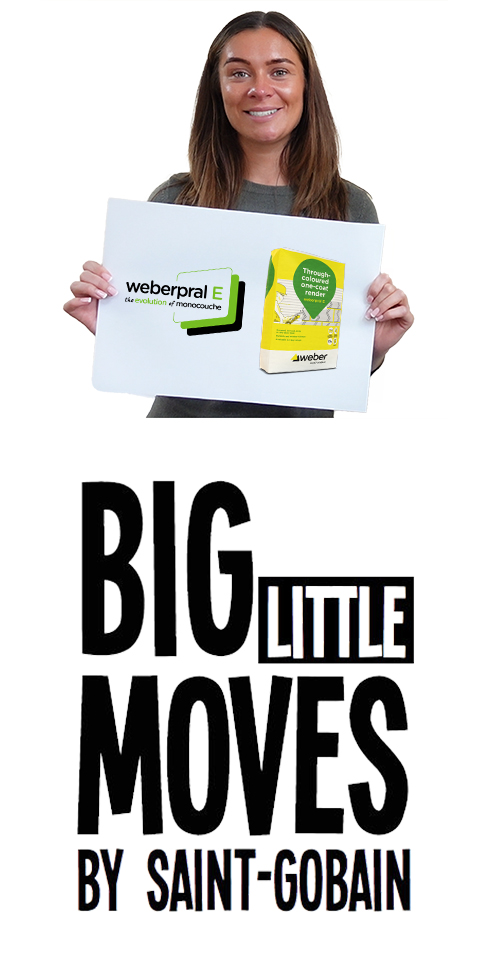
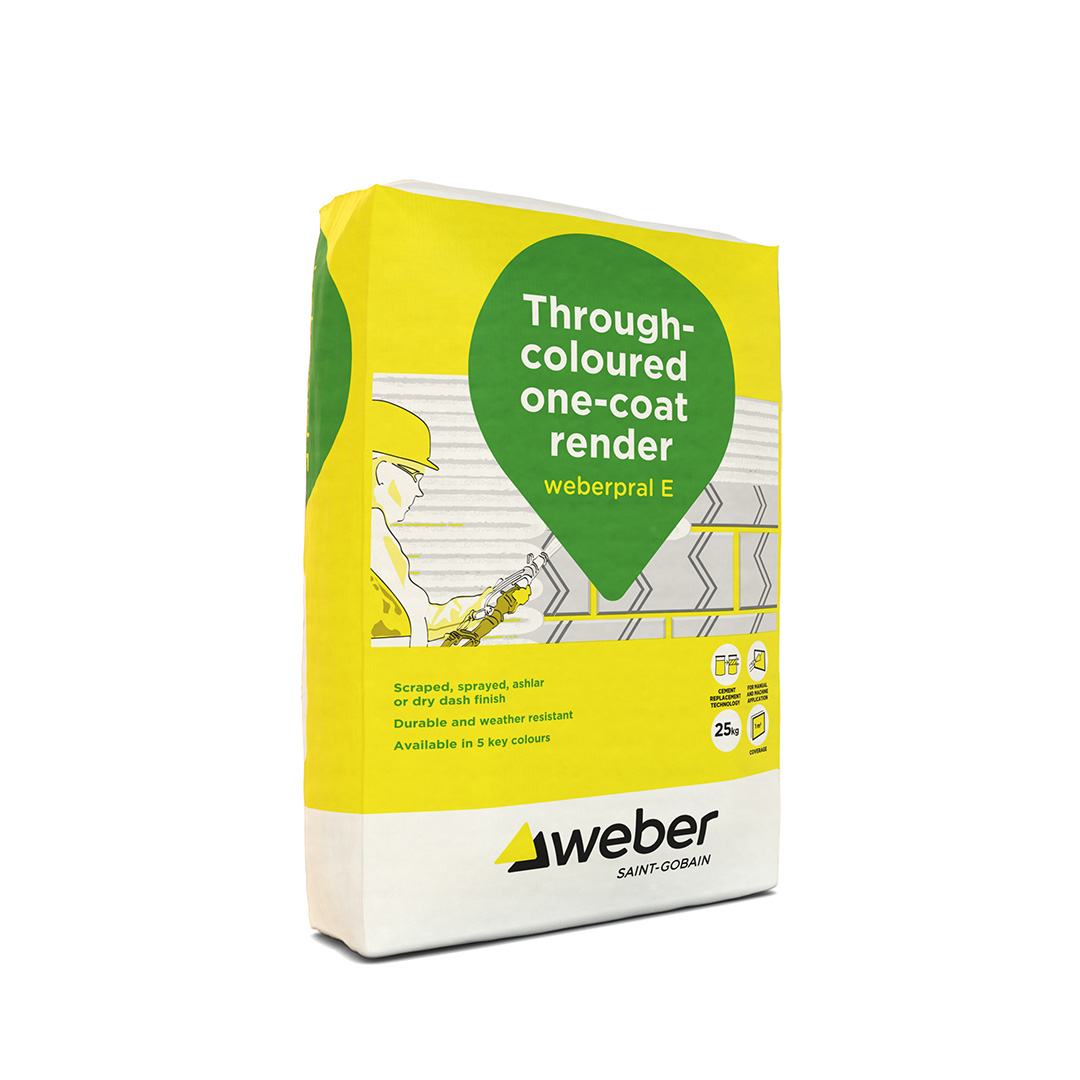
One of our most significant and recent initiatives is the introduction of weberpral E – a monocouche render that uses increased levels of recycled material, it is getting a great response from our customers. It’s exciting to see a tangible product that reflects our commitment to sustainability.
We’ve also launched the ‘Big Little Moves’ platform, which encourages employees to make small, everyday changes that collectively have a big impact. For example, people are encouraged to walk to work or switch off electrical appliances when not in use. We’ve also reduced our paper cup usage drastically; at our Flitwick site alone, we were ordering 6,000 paper cups per quarter. Now, we’re running campaigns like ‘Choose to Refuse the Paper Cup’, which promote reusable alternatives. This initiative alone not only saves costs but also highlights our focus on reducing waste.
To demonstrate the power of this, from 4 October – on No Disposable Cup Day – we’re going completely paper cup free.
How does Weber’s approach to sustainability resonate with its customer base, particularly contractors and distributors?
That’s an interesting challenge. While sustainability is very much on the radar for certain customer groups like architects and housebuilders, others including contractors and distributors might not always place it as their top priority.
For them, time and cost tend to be the most important factors. However, we believe there’s an opportunity to educate these groups on the benefits of sustainable practices – particularly how they can positively affect both their bottom line and the environment.
Which project(s) that you’ve been involved with as a Sustainability Champion are you particularly proud of?
That would have to be our Mystery Shopper initiative. We visited distributors and asked for product recommendations for bathroom tiling.
While they mentioned our products, they didn’t always highlight the sustainability factor, which shows we have work to do in pushing that message forward.
This exercise told us that we need to provide the right education so that sustainability becomes a core part of what they consider when choosing products.
What are some of the challenges you face in your role as a sustainability champion, and how do you overcome them?
One of the main challenges is that sustainability means different things to different people. We see this even within the company; everyone has their own view on what sustainability should look like.
To tackle this, we’ve introduced Climate Fresk workshops, which encourage discussion and help our colleagues understand the causes and effects of climate change. These sessions are engaging and help to unify our approach to sustainability across the business.