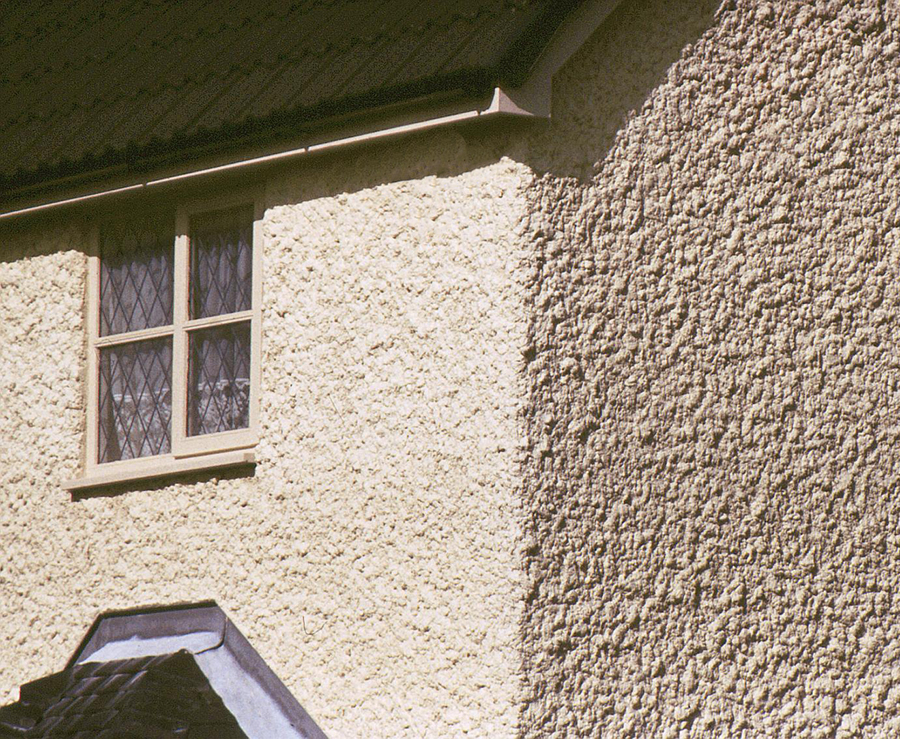
When rendering your home, it is important to be sympathetic to the style or era of the building. Whilst a modern scraped render is popular, it may not suit a period property.
What is roughcast render?
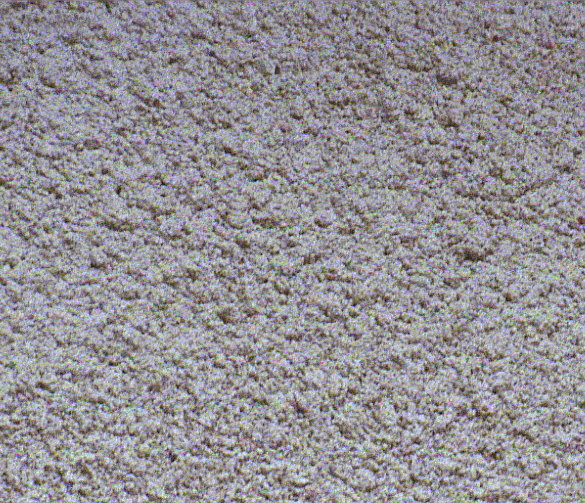
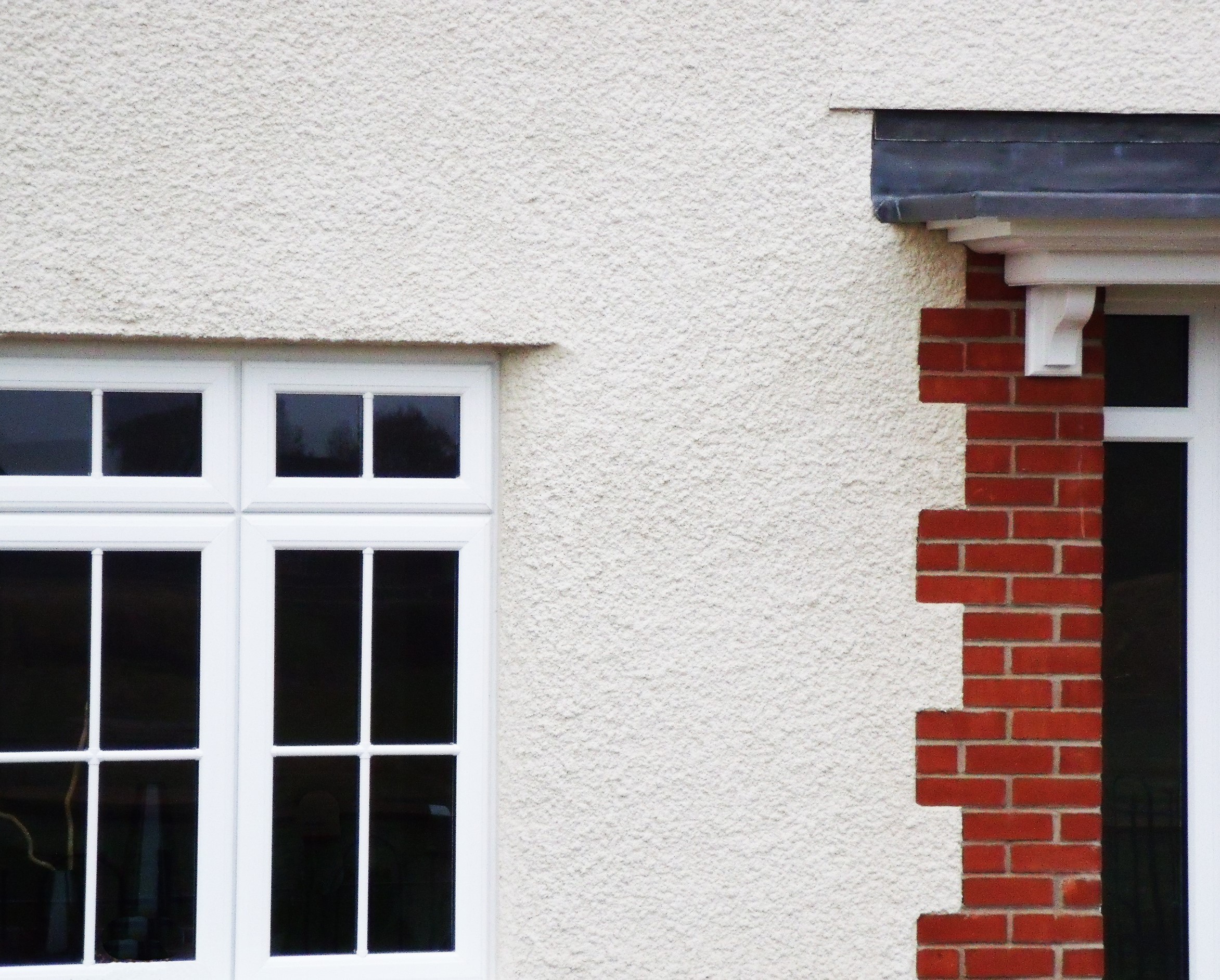
Roughcasting is a traditional style of textured render.It can also be called ‘wet dash’, ‘harling’ or ‘spray textured’. It originally had a coarse finish by adding aggregate to a typical mix of lime, sand, cement, and water.
By adding your own aggregate it was possible to select a unique blend ofpebbles, shells or stones (the Tudors even used coloured glass). If your aggregate was too large it can cause sagging during the drying process so is normally kept between 6-8mm.
Roughcast render dates back to the Roman era and can often be seen on rural buildings. However, the UK saw an increase of textured render in the 1930s. During post-war Britain, houses were being built rapidly by unskilled brickies. As a solution to these poorly finished homes, roughcast render was often applied to cover less-than-attractive brickwork!
How is it different to pebbledash?
Roughcast render although similar in appearance is not to be confused with pebbledash. The aggregate on a pebbledash facade is ‘thrown’ at a freshly rendered wall so the colour of the pebbles is visible. Roughcast creates a softer appearance since the aggregate is premixed before application so the stones are covered in the render mix.
What are the benefits of roughcast render?
Roughcast render has the same advantages as standard render application - creating an attractive water-resistant finish. The biggest advantage when it comes to roughcast render is the enhanced weatherproofing qualities it provides. Due to the heavy texture of the render, it aids moisture absorption and evaporation so it is an ideal finish in exposed or coastal areas.
Modern roughcast
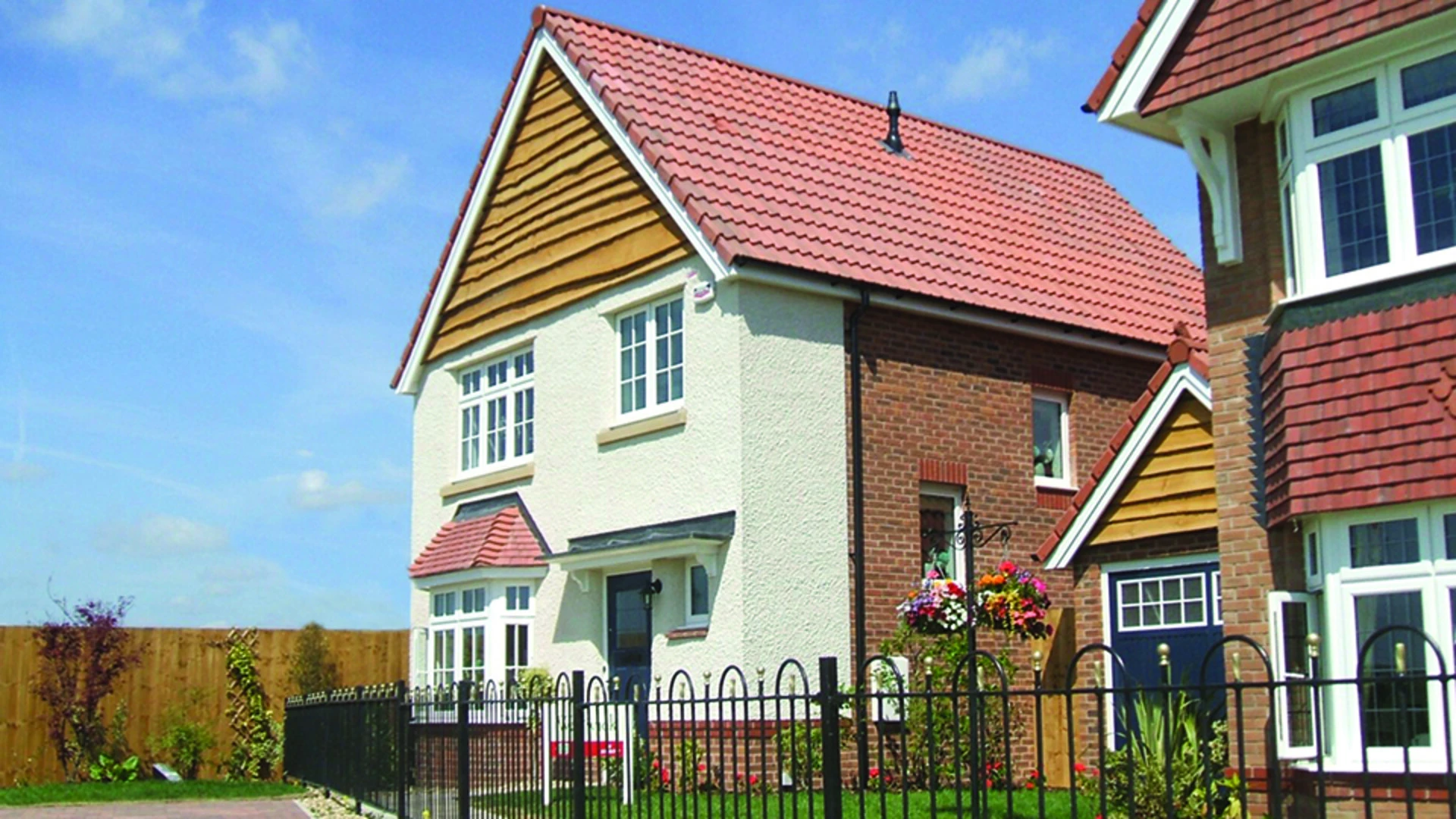
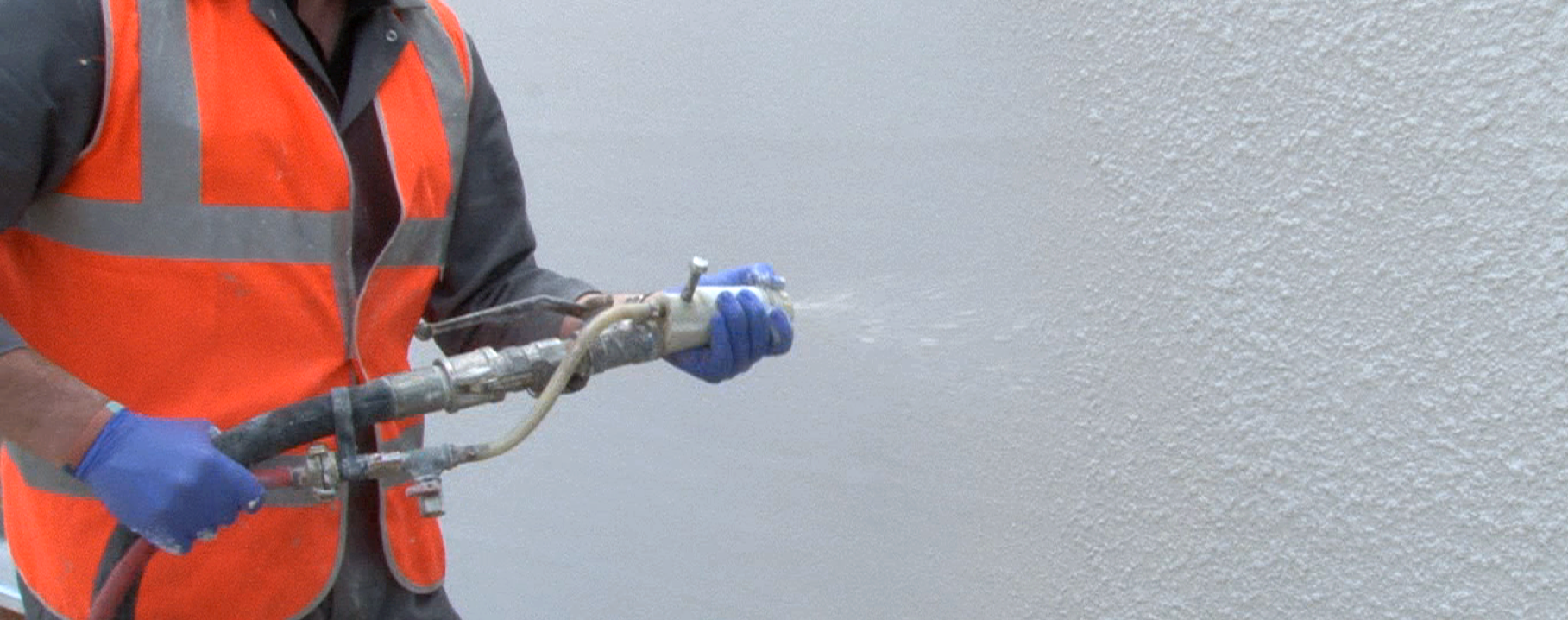
Roughcast rendering is seeing a resurgence, being used on many new builds - a particular favourite finish for Redrow Homes. As with everything, we improve the ways we build, so there are modern methods for achieving this traditional textured look. Pre-mixed renders such asweberpral M(orweberpral Din Ireland) can be sprayed to create the right texture, whilst boasting the water-repellent qualities of the traditional finish but with the benefit of being pre-blended and available in a range of colours. More info here
Can I remove or improve existing roughcast render?
The best practice solution is to remove the existing render and start from scratch as adding further render on top of the original material will increase the weight on the structure of the building and could lead to further complications. If you consider that the roughcast render may have been applied to disguise poor brickwork, it is not advisable to add more strain to this. More info here
If removal of the roughcast seems a little time-consuming, costly, and hard work, perhaps consider a splash of colour using webersil P silicone-enhanced paint, to elevate the render by brightening the surface or changing the colour. It is worth noting due to the texture it can be more challenging to apply paint and it is recommended to use of a spray paint machine to improve the coverage on uneven surfaces. More info here
We worked with CES Hire to produce this blog. They have been supplying the construction industry with pumping, mixing and spraying equipment for nearly 40 years, as well as a wide range of tools, spare parts and PPE. They offer excellent advice and information via their website in the form of blogs and toolbox talks, so it is definitely worth checking out.